Dangers of Eye-Color Surgery: Unveiling the Risky TikTok Trend and Staggering Costs
Have you ever imagined altering your eye color without resorting to contacts? Changing your eye color permanently isn’t just sci-fi anymore now that eye-color surgeries have become feasible—but they’re still a long way off from being a risk-free cosmetic trick.
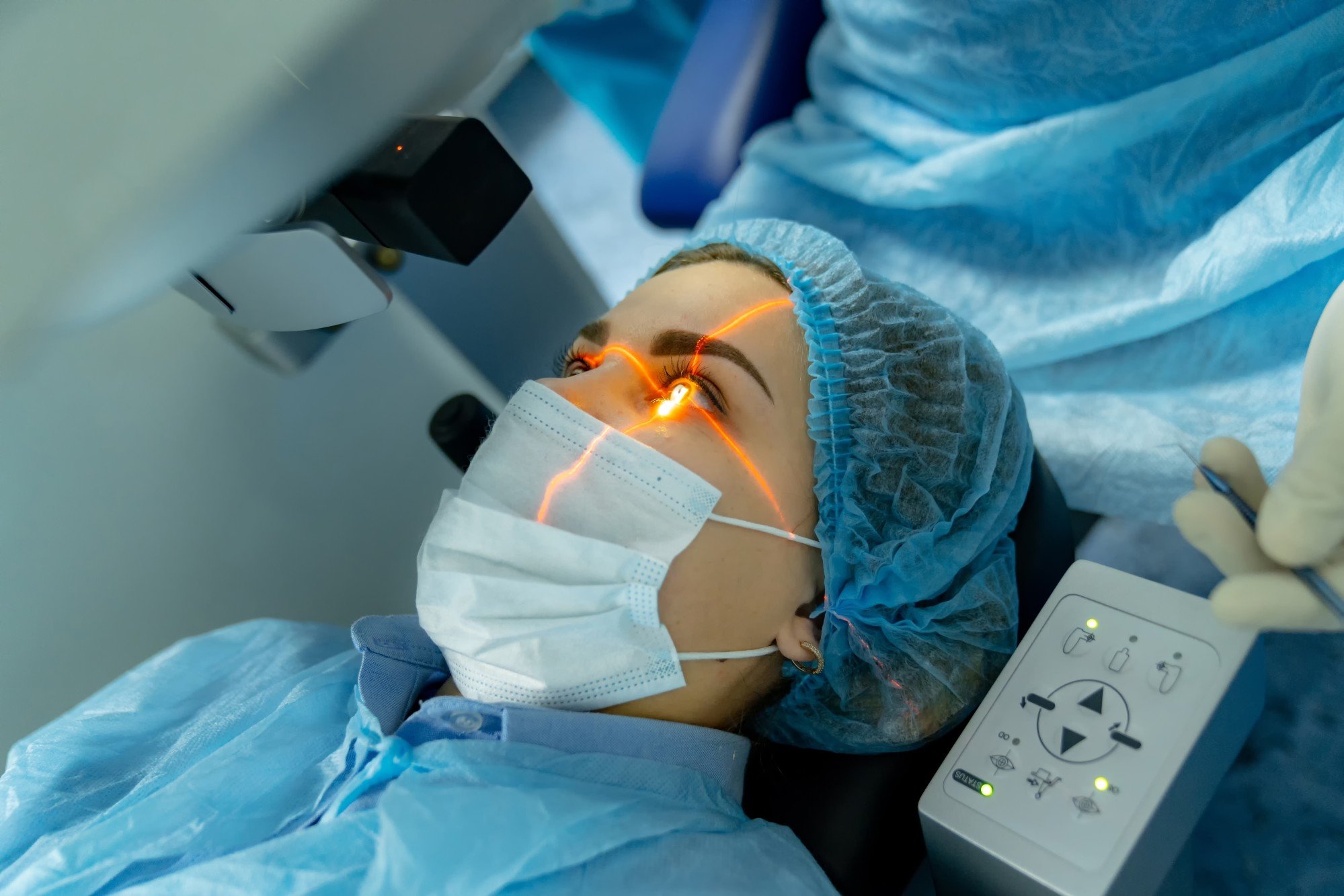
Not surprisingly, changing the color of your eyes through procedures like cosmetic iris implants, laser pigmentation removal, and keratopigmentation ranks as one of the most dangerous eye surgeries you could consider undergoing.
Even though it’s increasingly favored by influencers on social platforms, the truth about different cosmetic eye surgeries isn’t as attractive. Typically costing roughly $12,000 and carrying risks such as potential sight impairment, glaucoma, or harm to the cornea, these operations aren't just minor aesthetic enhancements. Additionally, remember that healing might last between one to eight weeks, highlighting that this process is not an easy or instantaneous makeover.
Do you have questions about the biggest topics and trends from around the world? Get the answers with SCMP Knowledge , our new platform of curated content with explainers, FAQs, analyses and infographics brought to you by our award-winning team.
Various kinds of eye color modification surgeries
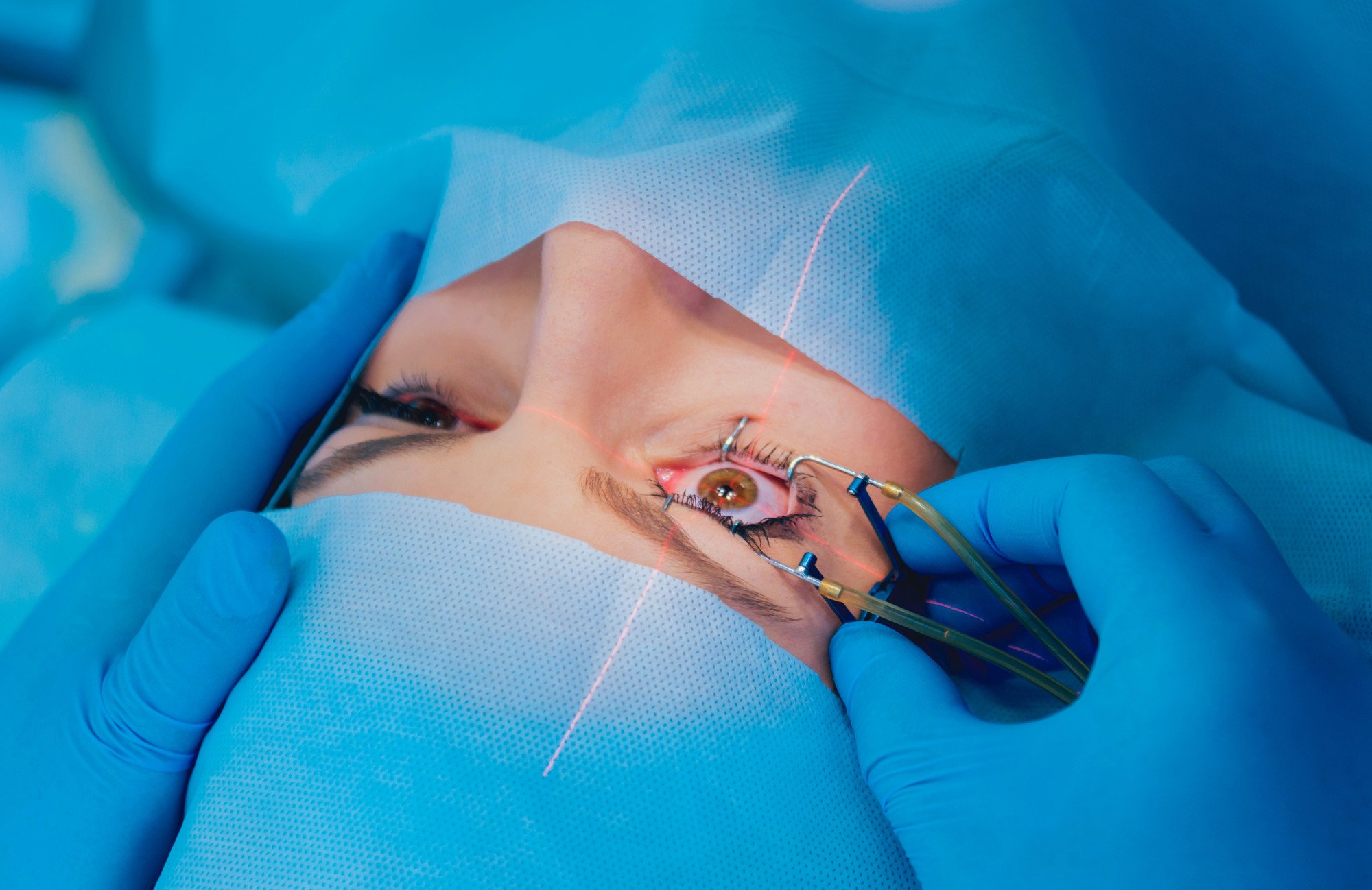
While the technology underlying these processes may seem advanced, it’s precisely why they come with such significant risks. One of the earliest and most recognized methods is cosmetic iris implantation, which entails placing a colored lens over your natural iris to achieve a different eye color. Imagine it as a permanent contact lens—except rather than being a simple, temporary fix, this method requires an invasive surgery within the eye itself.
Following this is laser pigmentation removal, a process aimed at permanently lightening eye color. This technique works by decreasing melanin levels in the iris, potentially changing deep brown eyes into shades of blue or green. Another lesser-known yet progressively more recognized approach is keratopigmentation, which entails forming a channel within the cornea through laser use and inserting colored pigments internally. Although these methods offer significant alterations, they entail substantial costs along with heightened risks.
Why are these procedures so dangerous?
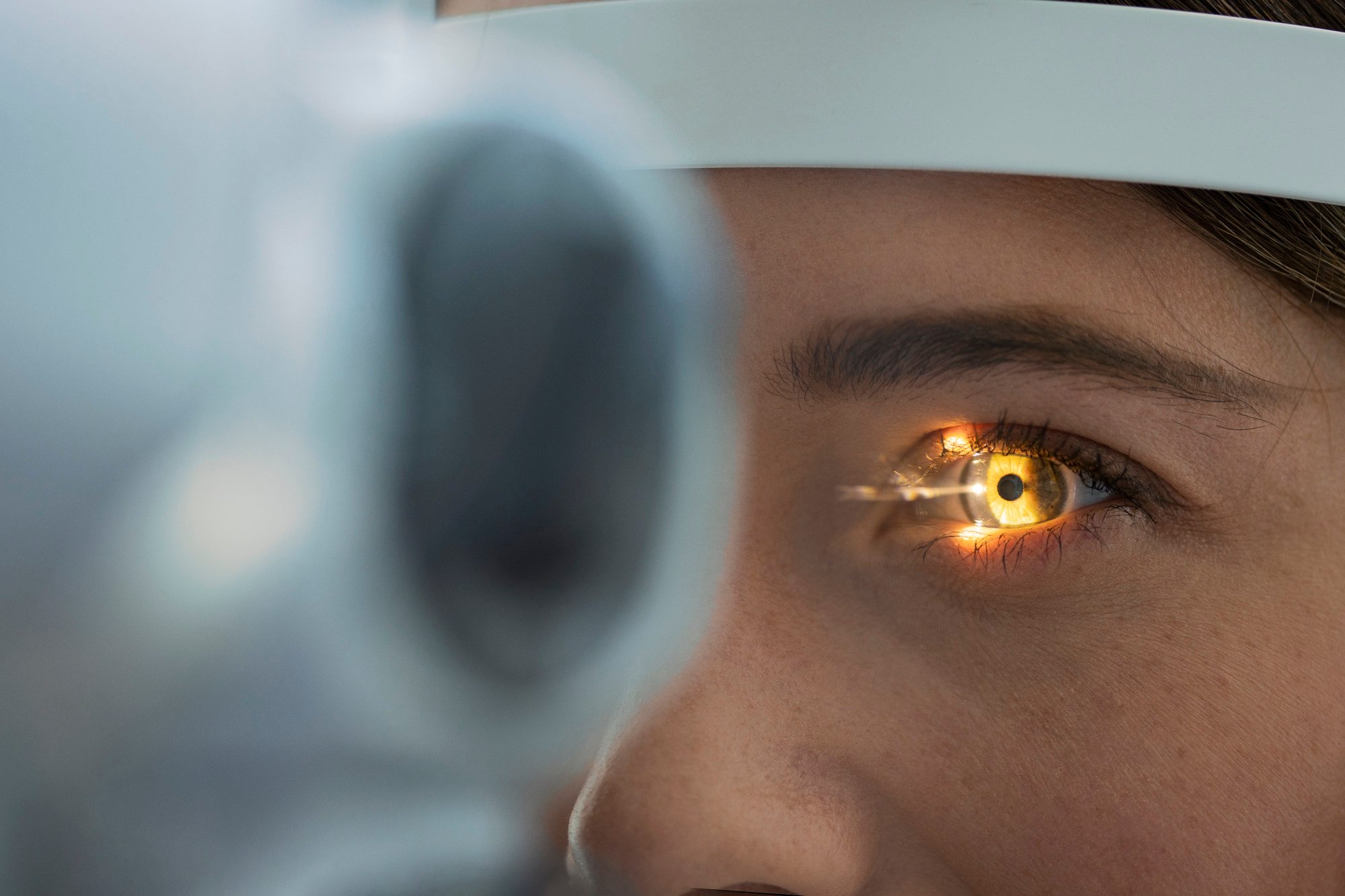
The eye stands as one of the most intricate and fragile parts within the human anatomy, and altering its components may yield significant repercussions. Complications associated with procedures like iris implants and laser-based pigmentation elimination include issues such as visual impairment, complete loss of sight, glaucoma, and uveitis—a distressing inflammatory condition affecting the eyes. Keratopigmentation introduces an additional hazard of potential harm to the cornea, potentially leading to scars and enduring vision difficulties. It’s crucial to recognize these outcomes; they represent grave, transformative adverse events that frequently culminate in irreversible injury.
A major concern with iris color-changing surgeries is their unregulated nature. Techniques such as keratopigmentation haven’t been cleared by the US Food and Drug Administration, and these procedures frequently take place in nations with lax oversight.
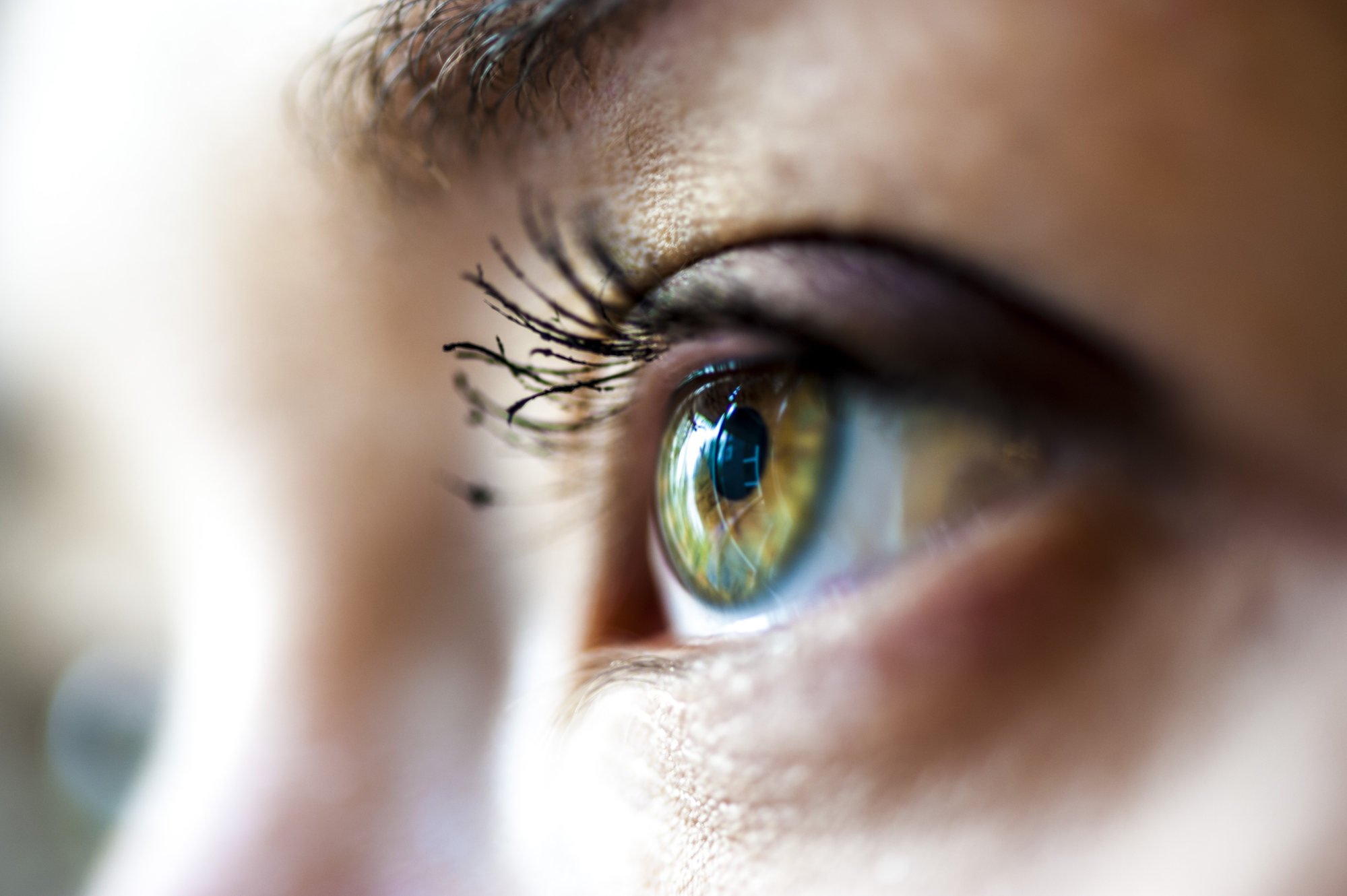
However, notwithstanding the possible risks, the desire for these procedures is increasing. On platforms like TikTok , videos of dramatic transformations go viral, showing off the allure of attractive, unique eye colours. Yet behind the glamorous results, many are overlooking the alarming reality: problems are more common than not. With a complication rate of up to 92.3 per cent, there's a greater chance of things going wrong than a perfect outcome.
Healthcare providers have consistently cautioned against the dangers of elective eye surgeries. Professor Dr. Colin McCannel from UCLA’s Department of Clinical Ophthalmology stated to Healthline that he recommends avoiding treatments which disrupt the normal functioning of the eyes. It's crucial not to treat the eye as an experimental subject—since loss of sight is seldom reversible.
More Articles from SCMP
Japan rebuts criticism of its response to Myanmar earthquake rescue
Airlines issue specialized boarding passes for the transportation of Chinese deities' statues during an inter-strait religious visit.
Key behind Trump’s 'mad' tariffs, unintended envoy IShowSpeed: SCMP daily summaries
Will China crumble or dominate? Steer clear of the errors made by the author of Sherlock Holmes.
The article initially appeared on the South ChinaMorning Post (www.scmp.com), which is the premier source for news coverage of China and Asia.
Copyright © 2025. South China Morning Post Publishers Ltd. All rights reserved.

Comments
Post a Comment