Driver Assistance Technology: Just Turn It All Off
Under the approval of automakers, Dad sometimes drives the press cars I borrow for logistical reasons. He comes in handy in the event that I end up with two press vehicles to review in a given week, or when I need to fly elsewhere in the world for a new vehicle launch. Some vehicles are so special and expensive that I simply don't trust leaving them parked at the airport. Dad safeguards them during my time away.
It's fair to say that, thanks to my job, he's had the opportunity to witness quite a lot of innovation in the auto industry, most of which he still can't get his head around. Though his back-to-basics Honda CR-V 's most noteworthy technology is Bluetooth connectivity, the machines I sometimes loan him are so technologically loaded that poor old Dad ends up calling me up just to figure out how to start the darn things.
One day, he was giving me a hand moving around a Land Rover Defender . During the drive home, he called in panic: "I think there's something wrong with the car! It's tugging aggressively and there's intense vibration coming through the steering wheel!' "Does this happen when you drive over lanes?", I asked. Dad quickly caught on, requesting that this stuff be turned off at once.
But even for a guy like me who spends his life behind the wheel of the next shiny new model, I can't stand most of the safety systems onboard. Actually, what I really can't stand is a car that prevents me from driving it myself. Turns out so do most car buyers . Then who are these systems for?
Automakers Are Leaving An Off Button For A Reason
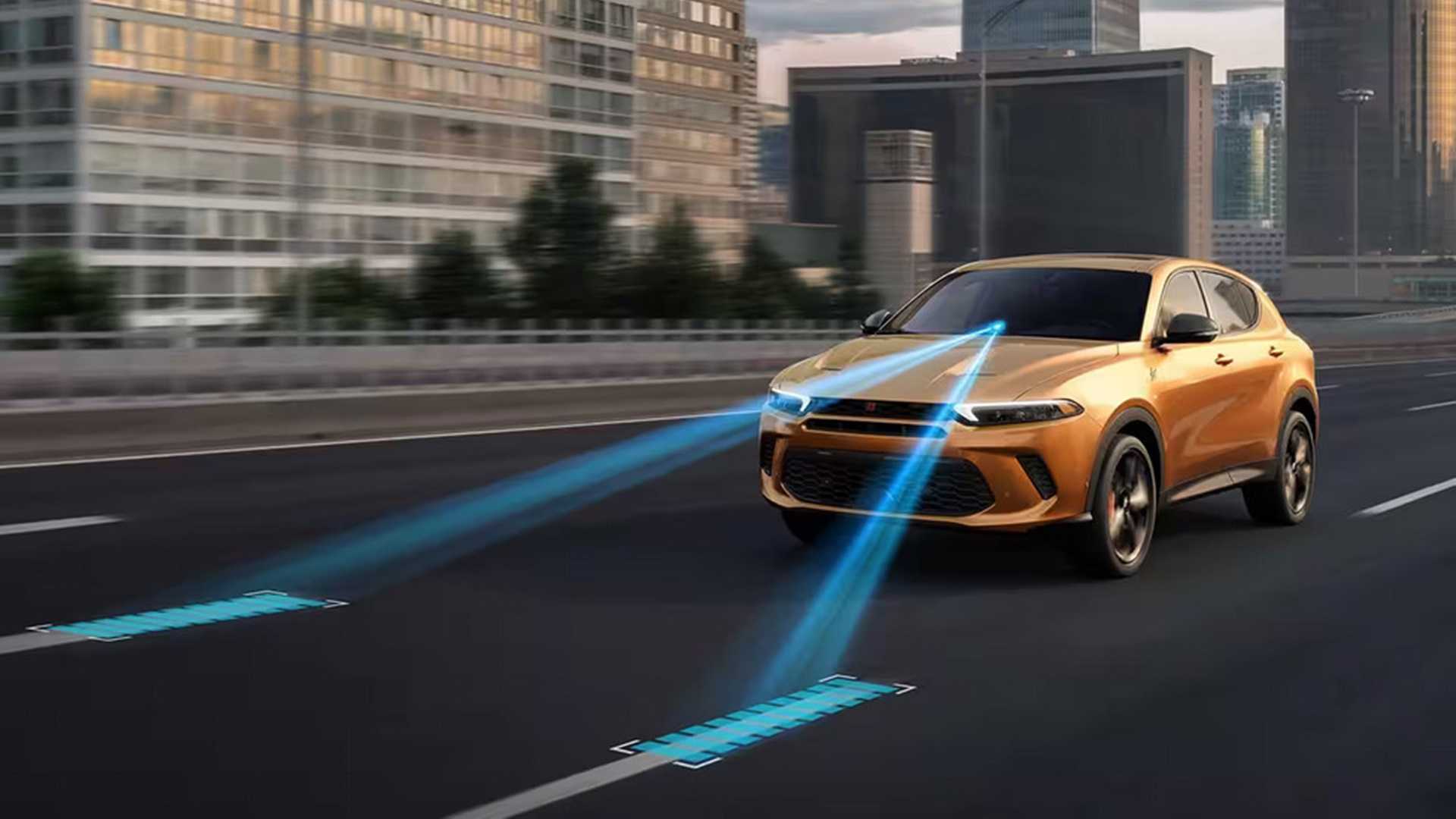
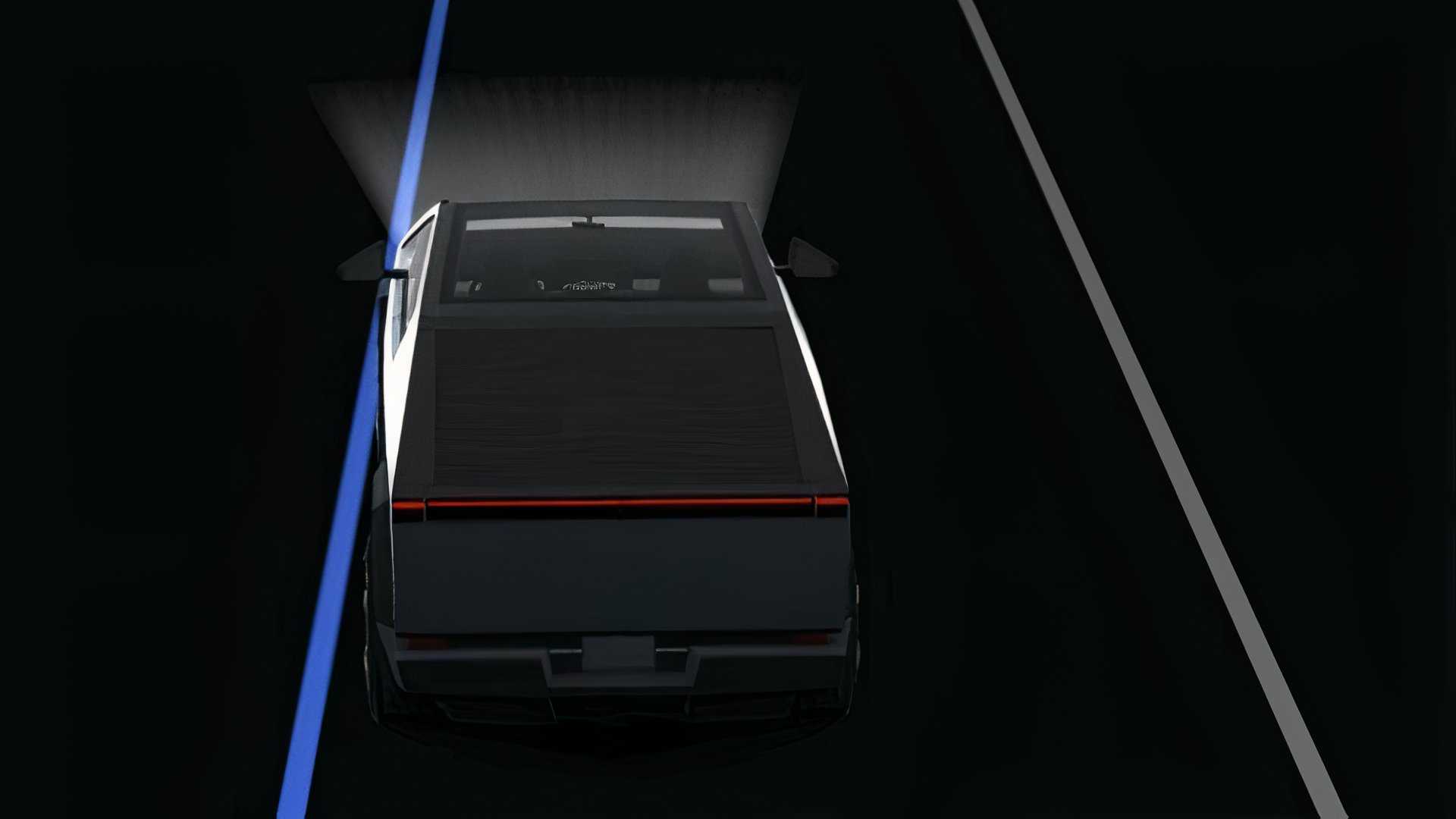
Each time I hop into a new car, I immediately enter its driver assistance menu and remove a series of key features that I personally cannot stand. The worst of all, for me at least, is lane keep assist, a system that makes sure your car stays within its lane, or else. Automakers program the way these systems trigger an alarm in different manners, either through a slight tug on the steering wheel, a beep or flashing red lights on the dashboard. Either way, it's incredibly intrusive and, well, annoying as hell.
What was once over after a simple push of a button now takes several swipes and scrolls before finding the feature that's getting on your nerves.
What I want from my safety systems is for them to assist me while driving, not try to drive the car themselves and, arguably worse, make the driving experience downright so irritating to the point of hating the vehicle in question. Beeps, bongs, tugs, flashing lights, or even seats that vibrate through your bum to signal that a car is in your blind spot, a car is approaching too quickly behind you or a car that suddenly braked too soon in front of you, is just overkill. I want my technology to be there, yes. But I also don't want it to be an elephant in the room. I want it subtle and smart.
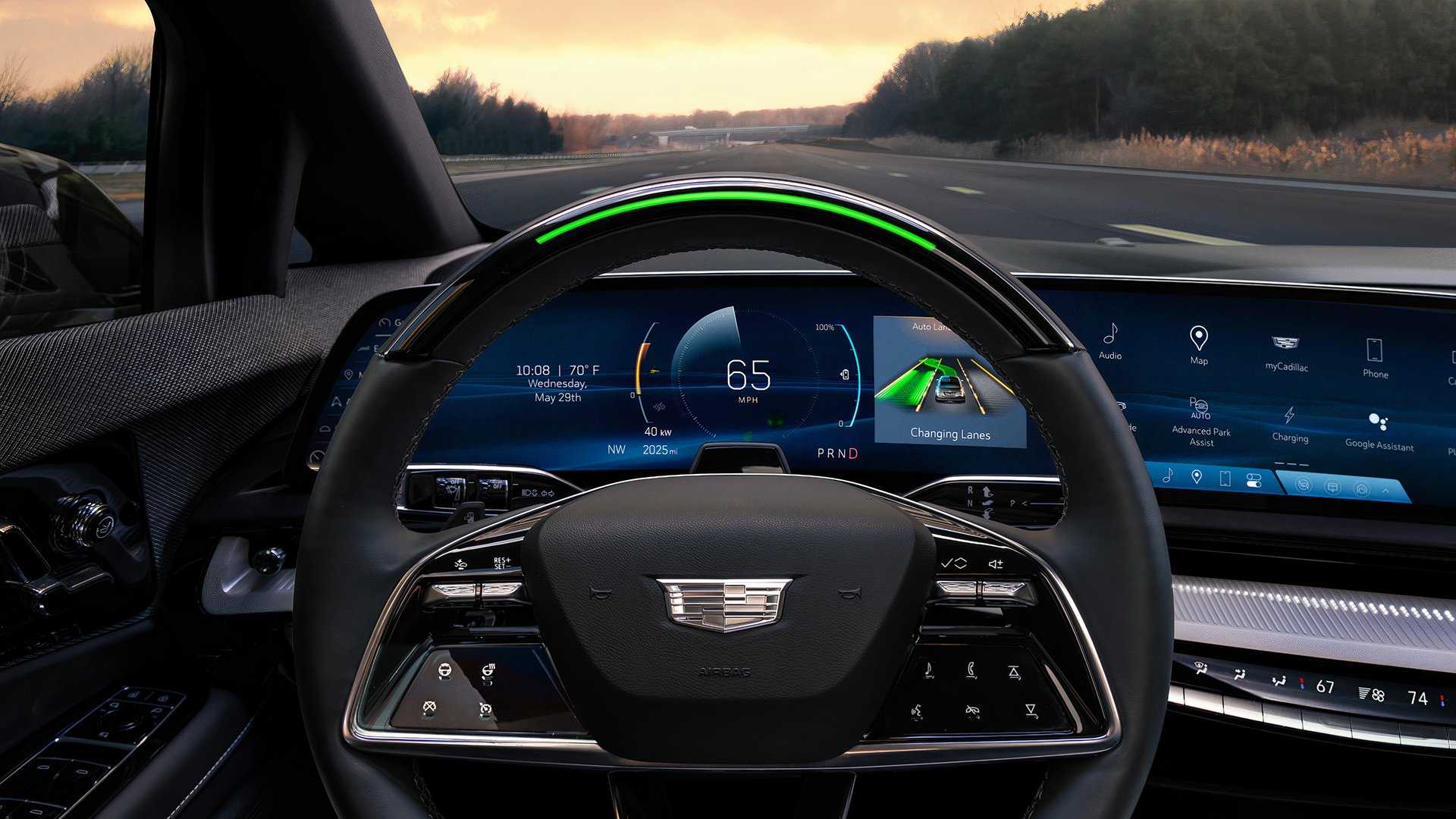
Adaptive cruise control is another one I can't stand, unless it's baked into a broader, smarter system like GM's Super Cruise technology , or Tesla's Full Self-Driving (FSD) feature. In such a case, I'm asking my car to drive itself, or at least, drive itself with minimal intervention. The problem happens when these systems decide for you that they're taking over.
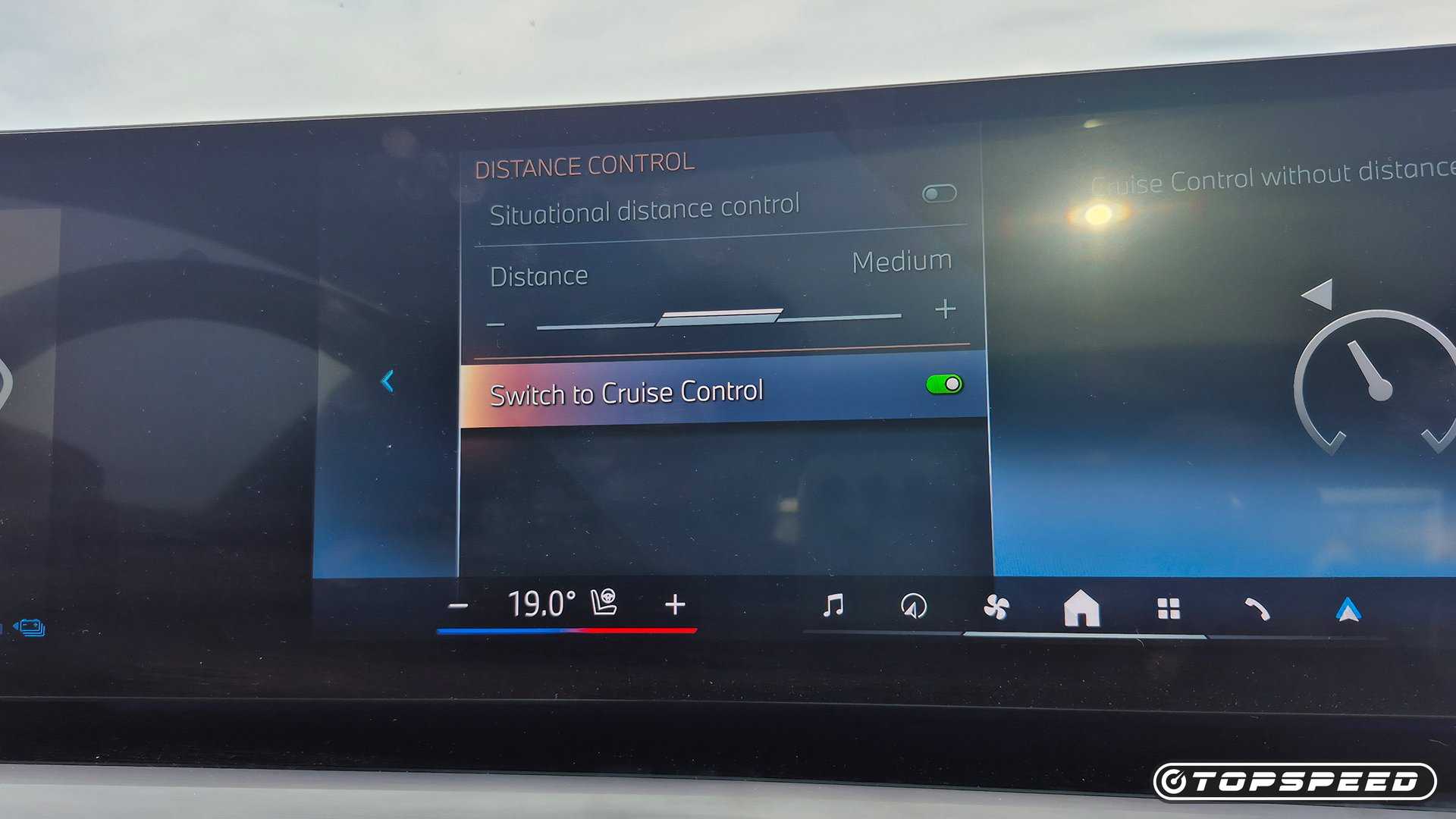
Thankfully, there's almost always an Off button, presumably because even automakers realize these systems will grind the gears of many buyers. Unfortunately, as cars evolve, the Off button gets more and more buried deep within some menu inside the infotainment system. What was once over after a simple push of a button now takes several swipes and scrolls before finding the feature that's getting on your nerves. And to make things even safer, a utomakers made sur to sugarcoat these features with fancy terms, just to make sure you're nice and confused. Is it lane keep assist, or is it lane departure warning? Or was it road departure mitigation?
I Don't Know Anybody Who Likes Keeping These Systems On
When I was at the Audi A5/S5 launch event in France last fall, the automaker's spokespeople made sure to instruct us on how to deactivate the car's speed limiter signal. In Europe, these safety features have become mandatory. It gives the car the ability to detect road signs and beep aggressively at the driver when they exceed the speed limit. Everyone on site turned it off.
And this week, I'm driving the absolutely devilish Aston Martin DBX707 . Before taking off with the car, the Aston Martin personnel on site took the time to instruct me on how to remove features such as lane keep assist and how to personalize the driving assistance technology to my liking. I hadn't even brought it up, yet it was the very first thing the Aston Martin spokesperson wanted to show me.
Look, people don't like that stuff. I personally know nobody in my immediate surroundings, including feedback from local dealers, who are looking forward to the beeps and bongs of safety systems in their cars. People don't like it when their car suddenly tugs to the left, aggressively starts yelling at them because a car just cut them off, or absolutely do not appreciate feeling like they're not free to do what they want at their helm of their automobile. Aids, on the other hand, like blind spot monitoring, backup cameras or automatic emergency braking don't seem to bother anyone, at least, not statistically. But the moment you enforce driving technology on people , things start heading south.
For me, the perfect combination is keeping blind spot monitoring and emergency braking on, with adaptive cruise control turned off. What I hate about the latter is how it always keeps a fairly large distance between you and the car ahead. On paper, it's the logical, safe distance for driving, but in practice, it leaves enough space for a douchebag to squeeze in, which will lead the system into a panic mode of blinking red lights and, even worse, a sudden smash of the brake pedal. In stop and go traffic, that's not exactly "safe".
Interestingly enough, automakers have recently installed the option to default back to regular cruise control, brands like Honda and Toyota, notably. BMW has always allowed you to do this, but you now need to dig into the infotainment system to make it happen. And since the car doesn't remember your prior settings, you need to do this every time you start the car again. Annoying.
The Industry Is Beta Testing Buyers Who Don't Necessarily Want These Systems
I could also get into all the times that these systems have failed on me, either due to climate reasons where the sensors, cameras and radars/lidars were obstructed, or just due to glitchy behavior. I was once driving an Acura MDX when it suddenly slammed the brakes on me on the highway because it thought someone ahead was slowing down. There was no car in sight.
Until we get there, do yourself a favor the next time you sit inside your shiny new car. Find the Off button at all costs.
The reality behind all of this safety white smoke is that while buyers are interested in owning a safer vehicle, they're not necessarily interested in paying extra for the added technology. Case in point: more and more automakers now include these safety systems as standard equipment, a stark contrast to when they were asking for a premium less than five years ago.
A recent study on the matter revealed that if more than 80-percent of car buyers are willing to pay more for a vehicle with a higher safety rating, more than 50-percent of buyers are not interested in paying more for advanced safety systems. As a matter of fact, these same buyers actually expect such features to be standard equipment. This all therefore brings me to my initial question: who are these systems for? If consumers don't actually care for them, then why force it onto them by making their removal so tedious and complicated?
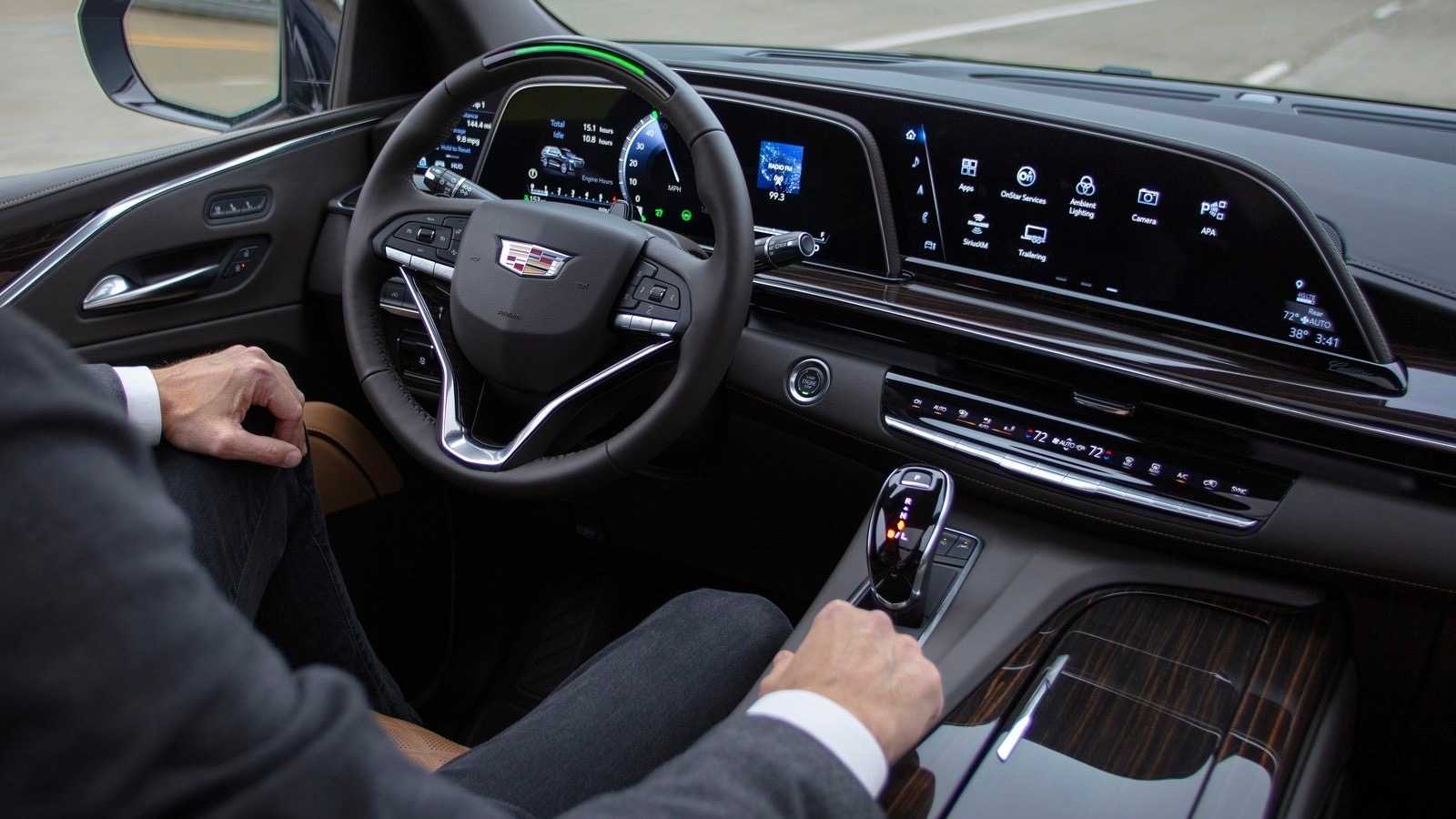
Data collection is the obvious answer. In an attempt to beta-test car owners, automakers have access to a wide array of information which they have the ability to collect, all with the goal of improving the vehicle in its quest to one day become entirely driver-less. The end goal of a fully autonomous future may be appealing to some, and research shows that a lot more consumers are interested in it than we think. But the road to getting there, however, this awkward transitional period that we're currently in, isn't so pleasant. Until we get there, do yourself a favor the next time you sit inside your shiny new car. Find the Off button at all costs.

Comments
Post a Comment