From Tesla to Toyota: How Software Is Revolutionizing the Auto Industry
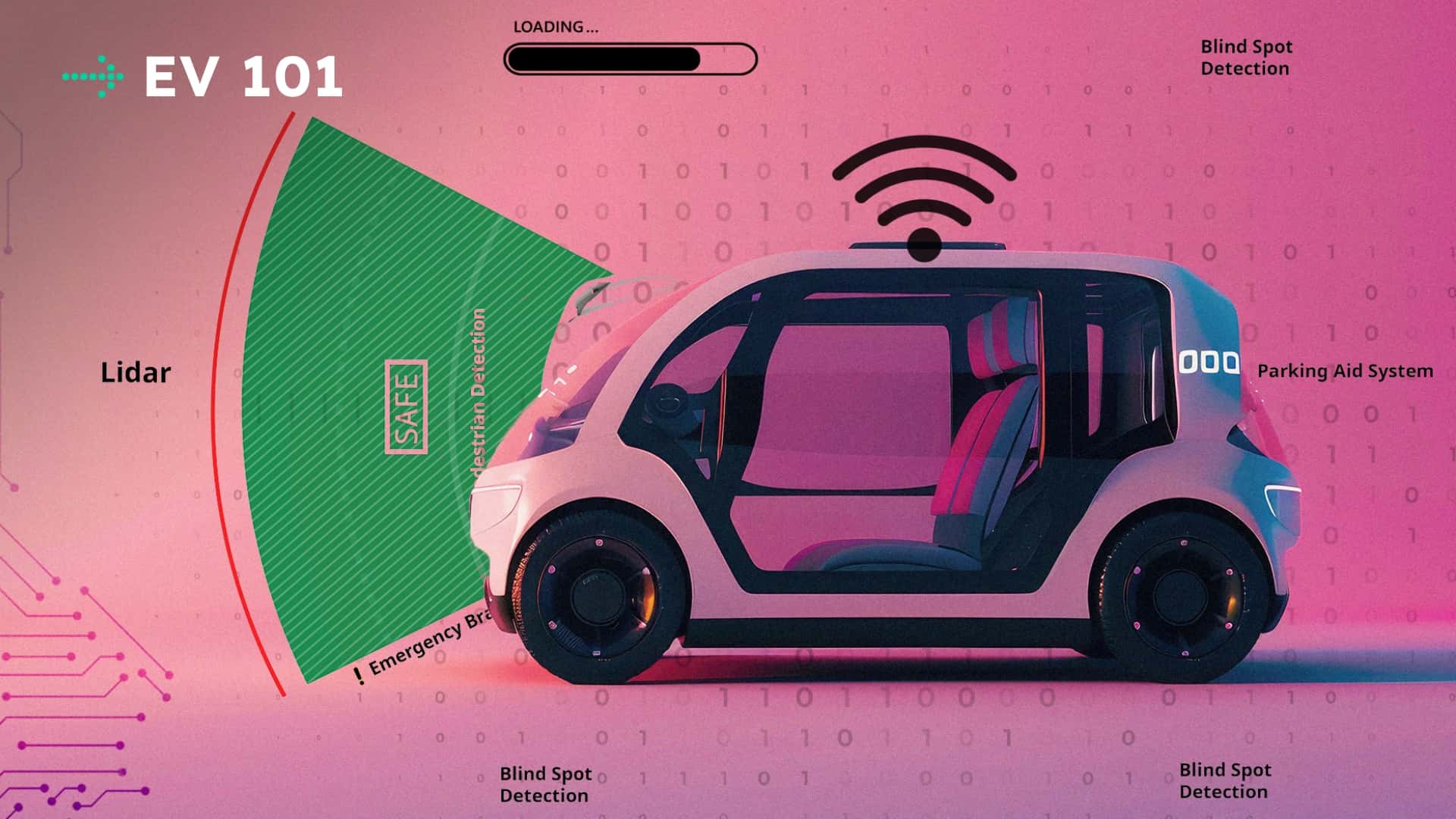
The true battle shaping the automobile's future doesn't revolve around batteries; it centers on software. Provided that automotive manufacturers can manage it effectively.
The vehicle of tomorrow won’t stay static; instead, it will evolve, enhance, and provide greater utility as years go by. It will sync seamlessly with your personal devices, deliver advanced automation for driving tasks, and personalize itself according to your distinct tastes. Throughout automotive history, major transformations have occurred, but this upcoming shift might redefine the industry permanently.
In other words, provided that automobile manufacturers can indeed make it work.
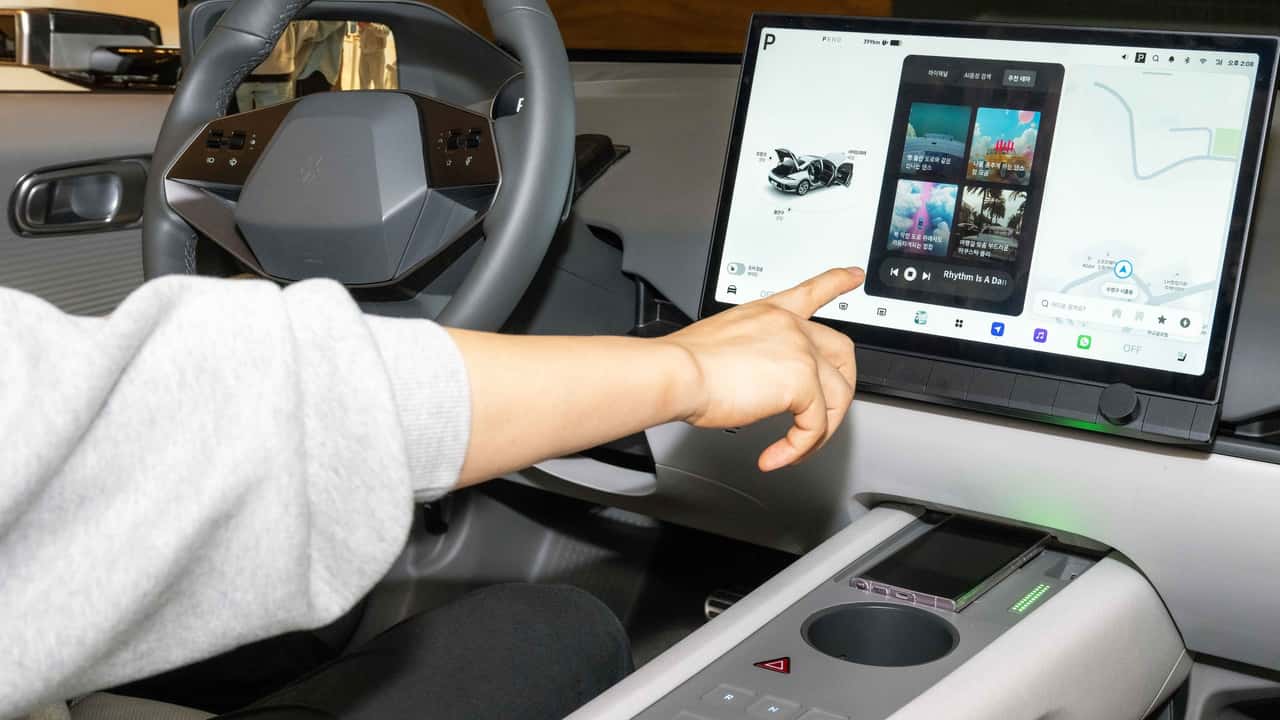
Hyundai Motor Group's Pleos software label
The fresh boundary distinguishing the cutting-edge from the outdated is software . It is software that enables a device to Rivian or Tesla feel so modern, and a Toyota or Mazda Less so. This feature enables vehicles to receive over-the-air updates, bringing significant enhancements directly to your garage. It also facilitates smooth smartphone connectivity and permits repair diagnostics without the necessity of visiting a service center.
A decade back, customers prioritized vehicles boasting superior fuel efficiency, advanced safety measures, and dependable performance. Nowadays, these preferences remain intact. However, ten years henceforth, software might emerge as the key differentiator for automobile acquisitions. Prospective purchasers may inquire about aspects such as compatibility with their gadgets, potential enhancements of the vehicle’s systems over time, availability of adaptive autonomous functions, and notably, how soon the technological components would be outdated.
But Not all car manufacturers will manage to thrive in the realm of software. So far, many of their efforts to transform into software firms have encountered mere roadblocks at best, or catastrophic delays and high-level executive changes at worst.
"As stated by the now former CEO of Volvo, Jim Rowan, to effectively manage a vehicle, you must have the capability to write code starting from the bottommost layer of the silicon right up to the topmost application layer of the car,” as reported in the UK’s media. Autocar In a recent interview, he stated, "Only three companies globally have accomplished this feat: Tesla, Rivian, and Volvo. Many automobile manufacturers are impressive, yet they haven’t cracked the code. Achieving this is significant—extremely challenging too—but we've remained persistent."
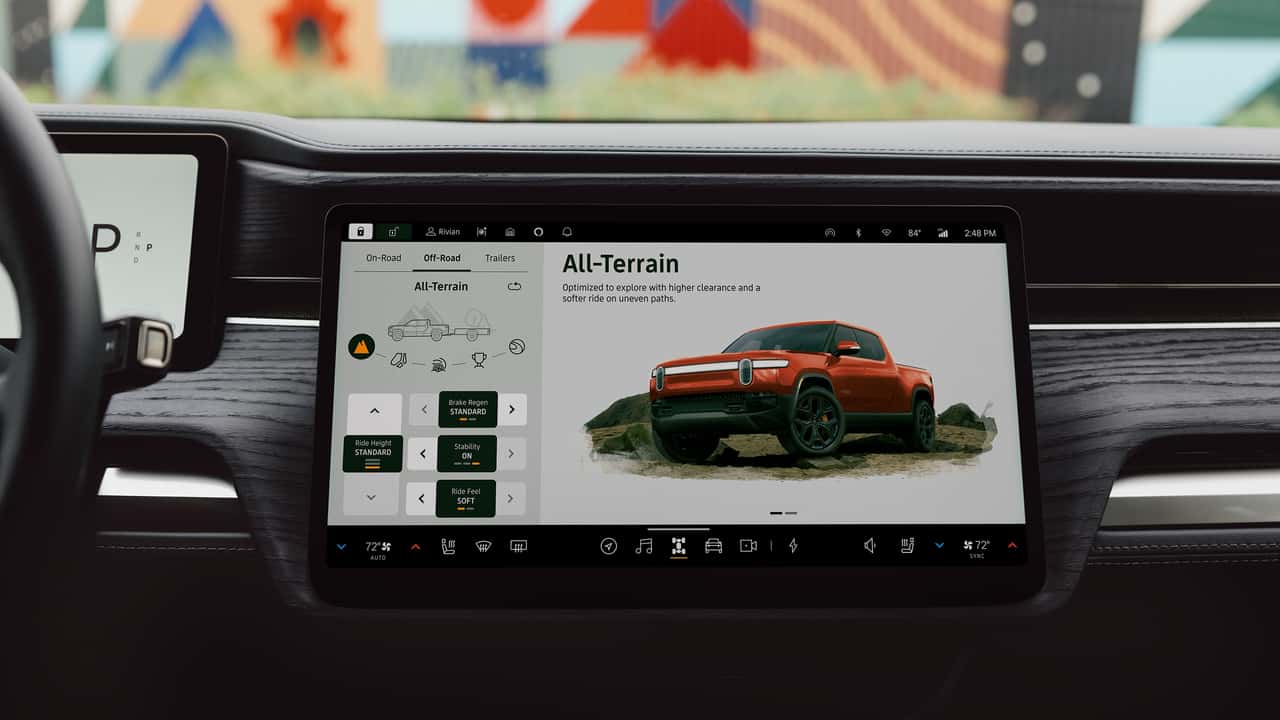
Rivian software updates
Rowan is right. In the long run, software issues could lead to the downfall of an automobile manufacturer. Simply producing quality vehicles isn’t sufficient anymore; cars have become sophisticated electronics. What implications does this hold for the entire auto sector? Who will thrive and who will falter in this landscape?
Enter The Software-Defined Vehicle
A software-defined vehicle refers to an automobile where primary functionalities such as driving aids, entertainment systems, and operational aspects are predominantly managed through software instead of rigid hardware components. This allows these elements to be adjusted, upgraded, or improved using remote over-the-air software updates, facilitating ongoing enhancements and additional features throughout the vehicle’s lifecycle.
Each contemporary automobile incorporates some form of software, a trend that began with the introduction of electronic fuel injection in the 1980s. Nonetheless, the extent to which this software influences the performance and user experience of vehicles can differ greatly. To illustrate, consider a 2007 Toyota Camry equipped with an electronic stability control (ESC) system, wherein a onboard computer interprets sensor data to manage brake functions.
However, the Camry is equally considered a software-defined vehicle, akin to how the Casio F91W is regarded as a smartwatch. A genuine software-defined car goes beyond individual software-driven functionalities; instead, the whole automobile is conceived as a platform where software controls essential operations.
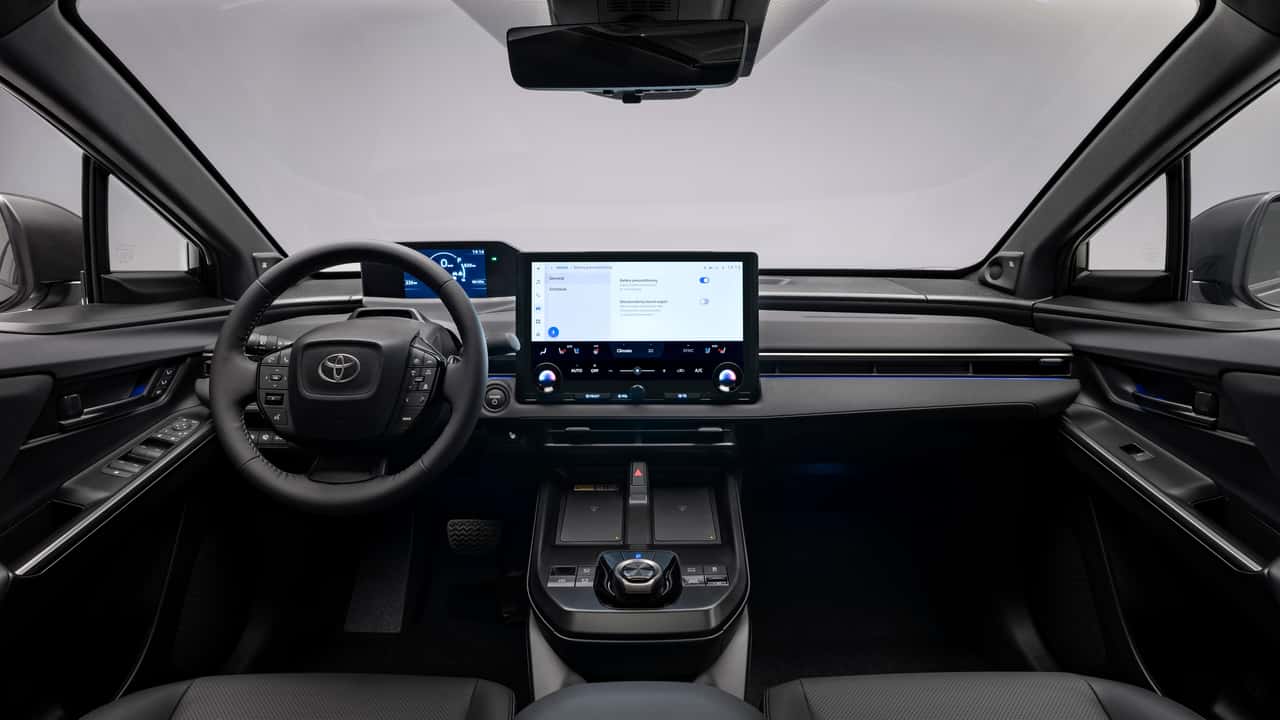
Toyota too has updated its tech game in recent years, especially on electrified models.
Nevertheless, throughout most of automotive history, software has had a supporting part to play. Its function was confined to managing separate systems such as stability control or simple entertainment features. To put it differently, car manufacturers incorporated software, yet it didn’t become the main focus.
As stated by Kyle Lobo, Rivian's Director of Electrical Architecture, an SDV primarily consists of two key elements.
"One aims to ensure that all vehicle controllers can be updated," Lobo explained. InsideEVs And another aspect is vertical integration. This means ensuring complete control over the feature, system development, as well as both the hardware and software implementation aspects. Having this level of control enables quicker modifications and adjustments.
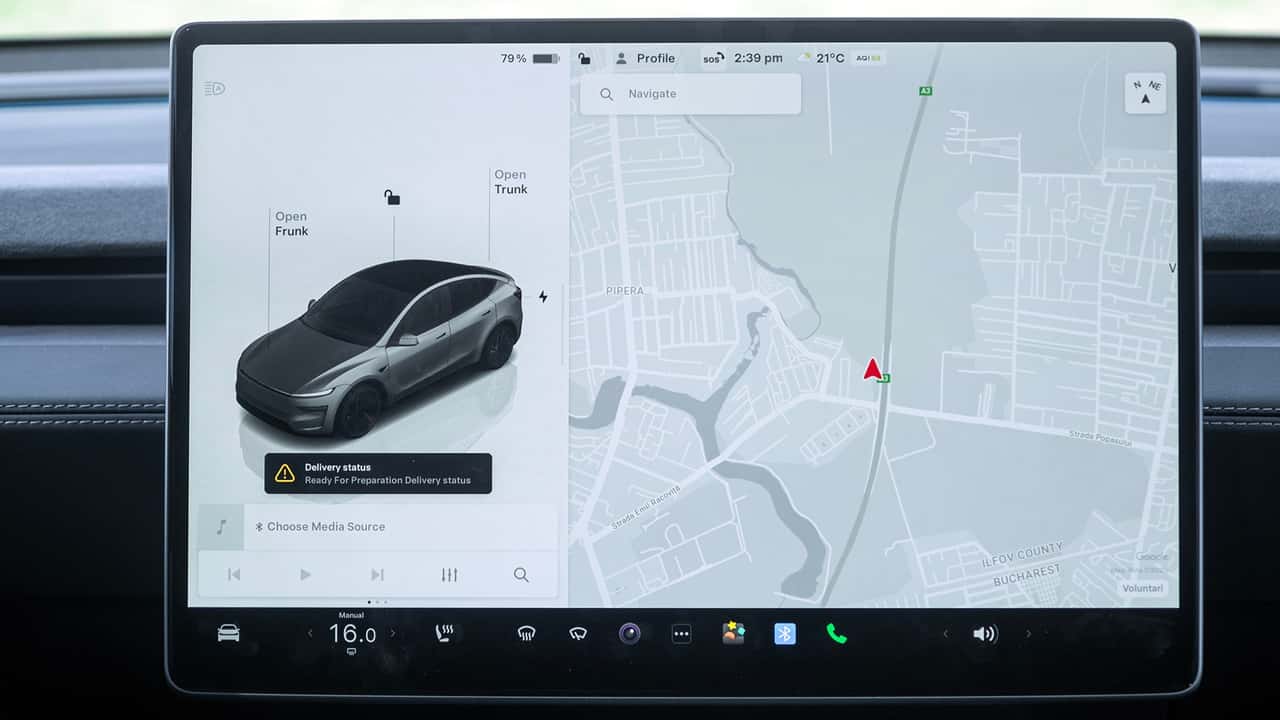
2025 Tesla Model Y Euro-Spec Release Lineup
Tesla pioneered that approach, partly because of this requirement Initially, Tesla engineers discovered that they didn't have access to pre-existing components, software, or features needed for their desired electric vehicle. As a result, they developed these elements internally. This approach extended across all of Tesla’s operations, including their mobile application and charging infrastructure.
Following that, China’s car manufacturers have embraced that concept and took off with it , and companies such as Rivian are following suit. In the meantime, established car manufacturers—which usually relied on numerous external suppliers for components and software—are also attempting to become more self-sufficient, though their efforts have had varied outcomes.
Rethinking The Automobile Itself
The initial version of the Model 3 did not include automatic high beams, windshield wipers, voice commands, or functioning heated rear seats. These features were later added through wireless software upgrades. This strategy made manufacturing more efficient, lowered initial expenses, and improved customer satisfaction well after the sale.
Despite facing financial and production challenges, automotive newcomers such as Tesla, Rivian, and Lucid Motors benefit greatly from not being burdened with historical encumbrances. Free from corporate inertia, established supply chain ties, or decisions driven by previous investments, these companies could reimagine every aspect of vehicle manufacturing. Equipped with an unspoiled canvas and a varied group of innovators from Silicon Valley—including designers, engineers, and tech experts—they had the opportunity to create groundbreaking vehicles.
As a consequence of this organization-wide approach, the concept of zonal architecture was implemented. Conventional vehicles often contain numerous electronic control units (ECUs) that handle different functions such as managing entertainment systems, enabling keyless access, regulating the powertrain, among others.
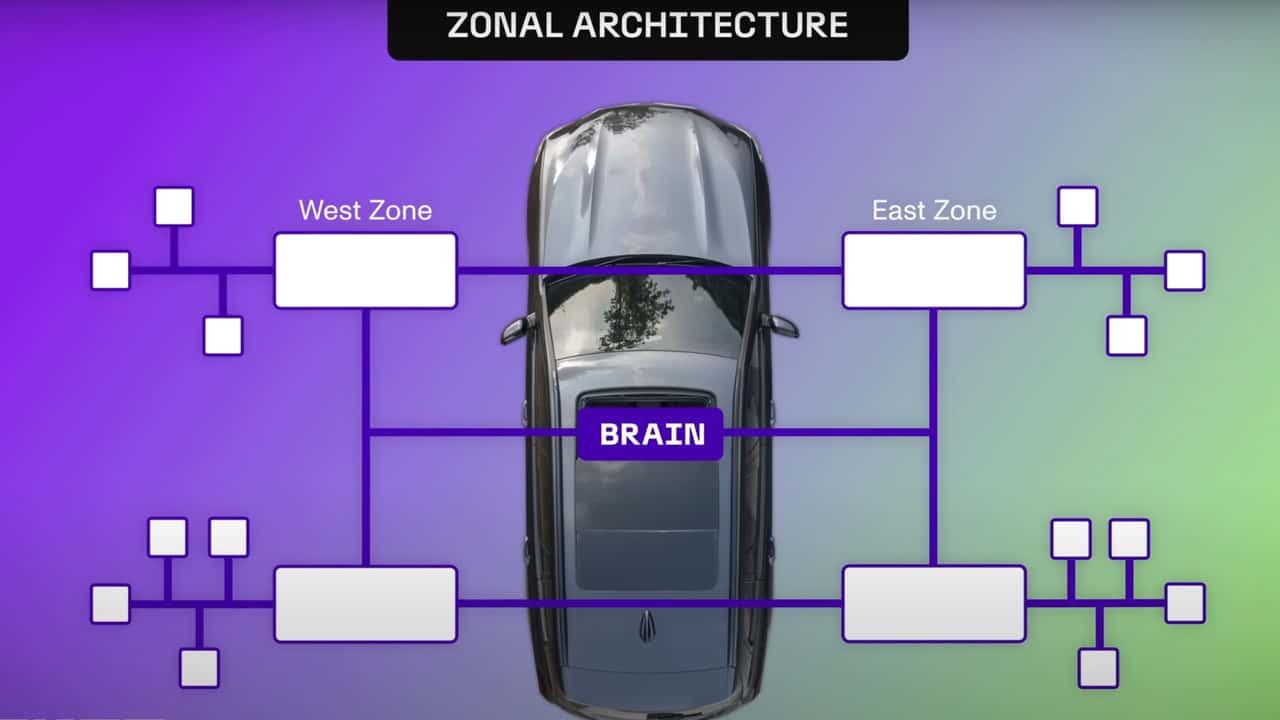
zonal architecture
They manage to complete their tasks, yet they demand extensive cabling and lack unified coordination. Imagine placing an independent Wi-Fi router in every classroom at a school for each specific gadget. Why not instead install a single router per classroom that can handle all the devices collectively?
"We’ll observe a transition from application-specific domains to a zonal architecture, wherein distinct regions of the vehicle will be managed by zone controllers communicating with a central computer responsible for executing software-defined functionalities," explained Robert Day, who leads automotive partnerships. ARM For startups developing highly interconnected vehicles, simplifying the process of Electronic Control Unit (ECU) placement and design was an obvious step.
Simplifying Complexity and Enhancing Efficiency
As Rivian continues to establish itself as a frontrunner in the software sector, it has adopted the idea of zonal architecture. "We considered starting from scratch, placing electronic control units (ECUs) based on location and connecting them only with their nearest counterparts," explained Lobo. "Our setup includes zones designated as East, West, and South zone controllers. For instance, the West Zone controller manages all components on the driver’s side of the vehicle, including acceleration pedals and the front suspension system."
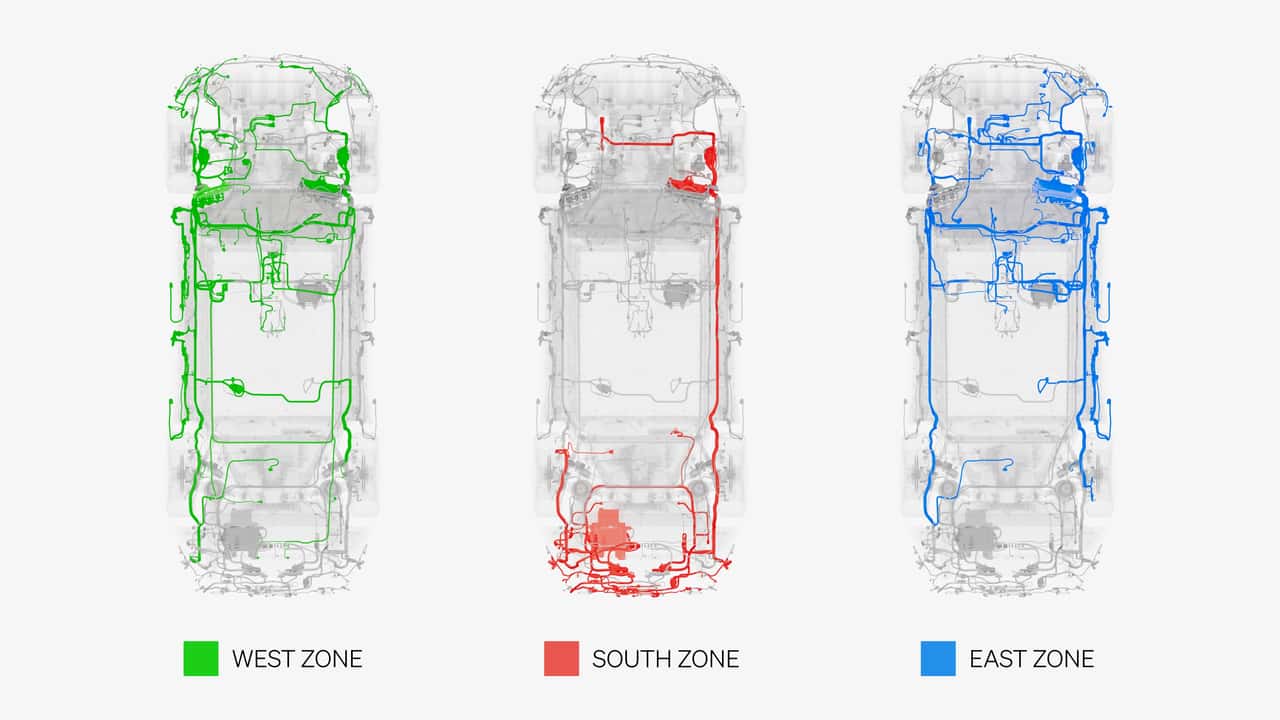
Rivian Zonal Architecture
Overall, Rivian employs only seven electronic control units (ECUs) for both the 2025 R1S SUV and R1T pickup. This represents a significant reduction from the initial models which had 17 ECUs each. In comparison, several contemporary luxury vehicles that compete with Rivian’s lineup may have many more than these two models do. up to 150 Electronic Control Units Even removing just 10 ECUs led to significant enhancements in both weight reduction and wire length needs. "By cutting down the harness lengths by approximately 1.6 miles per vehicle without losing features, we have achieved better performance," Lobo stated. According to Rivian, this optimization, combined with the decreased number of ECUs, resulted in a total weight savings of 44 pounds for the vehicle. This not only reduces manufacturing costs but also improves operational efficiency across the board.
These enhancements caught the attention of Volkswagen Group, known for its difficulties with software development. The company established a new software unit named CARIAD in 2020. However, this initiative has faced challenges, resulting in postponements of various crucial models such as the Porsche Macan EV and Audi Q6 e-tron. This situation was indeed one of the factors. What led to the departure of former CEO Herbert Diess from Volkswagen? The consequences could not be more significant.
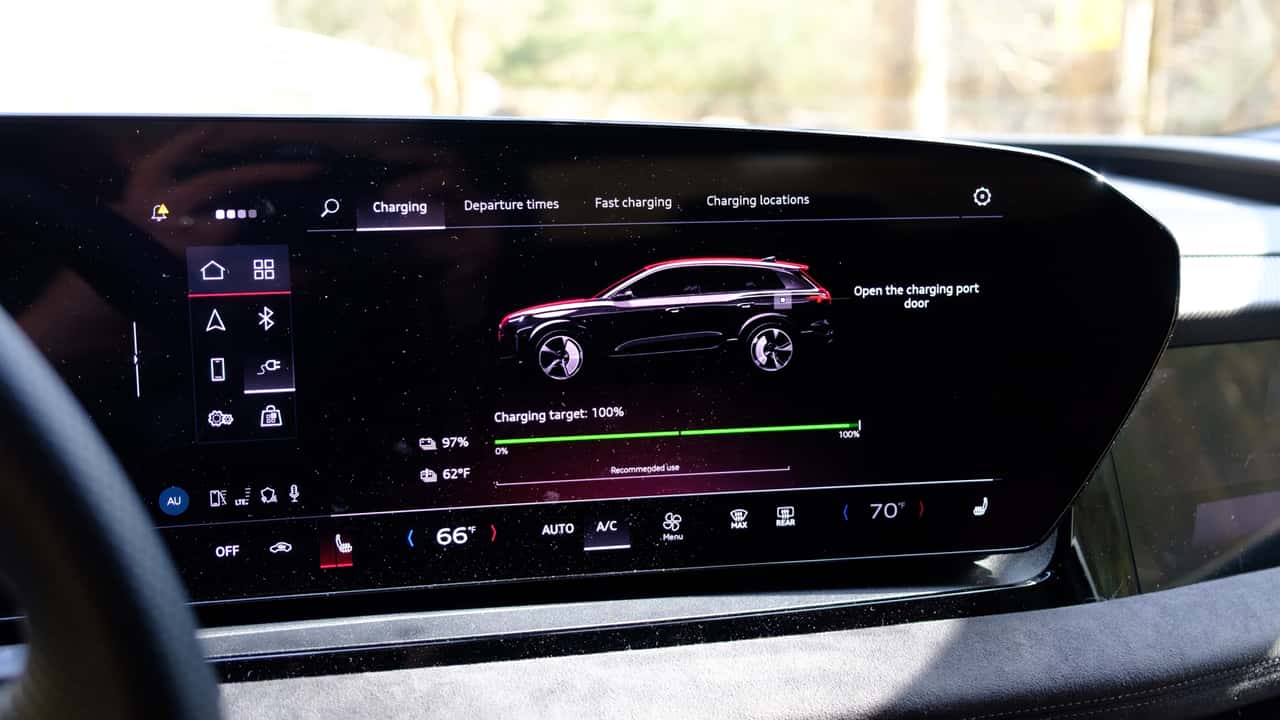
Audi Q6 E-Tron Software
In November 2024, the pair made an announcement. joint venture Called Rivian and the VW Group Technology. In this joint venture, Rivian will provide its software platform for future Volkswagen models, such as the forthcoming ID.1. "Our role is to offer our architecture to various vehicles within the Volkswagen Group," Lobo stated to InsideEVs. "It’s incredibly exciting because it feels like a thrilling time for us to share our technology with others and allow them to also reap the benefits."
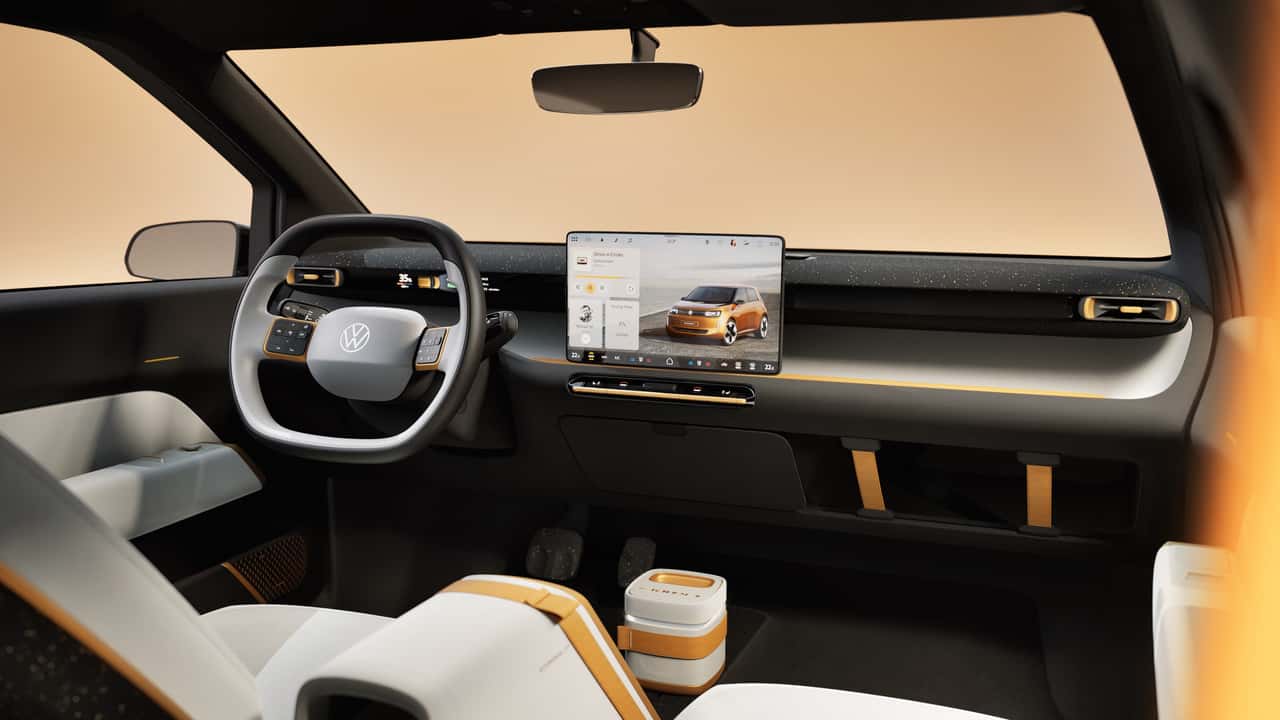
Volkswagen ID.Every1
In addition to the ID.1 and other Volkswagens, Rivian intends to adopt its zonal architectural framework as the foundation for their future product lineup as well. "This expands the range of options available," explained Vivek Surya, Rivian’s Director of Software Product Management, "especially with the forthcoming R2 and R3 models." He added, "Expanding these possibilities broadens the customer base we can attract to our ecosystem and sets a new benchmark within the industry, raising customer expectations regarding vehicle capabilities overall."
The Wider Consequences of Self-Driving Vehicles
For car manufacturers, adopting a software-defined platform provides greater control over the user experience. This enables them to gather data from various sources to gain insights into user behaviors. However, this extensive access to information can sometimes have negative implications for users. Take Tesla as an example.
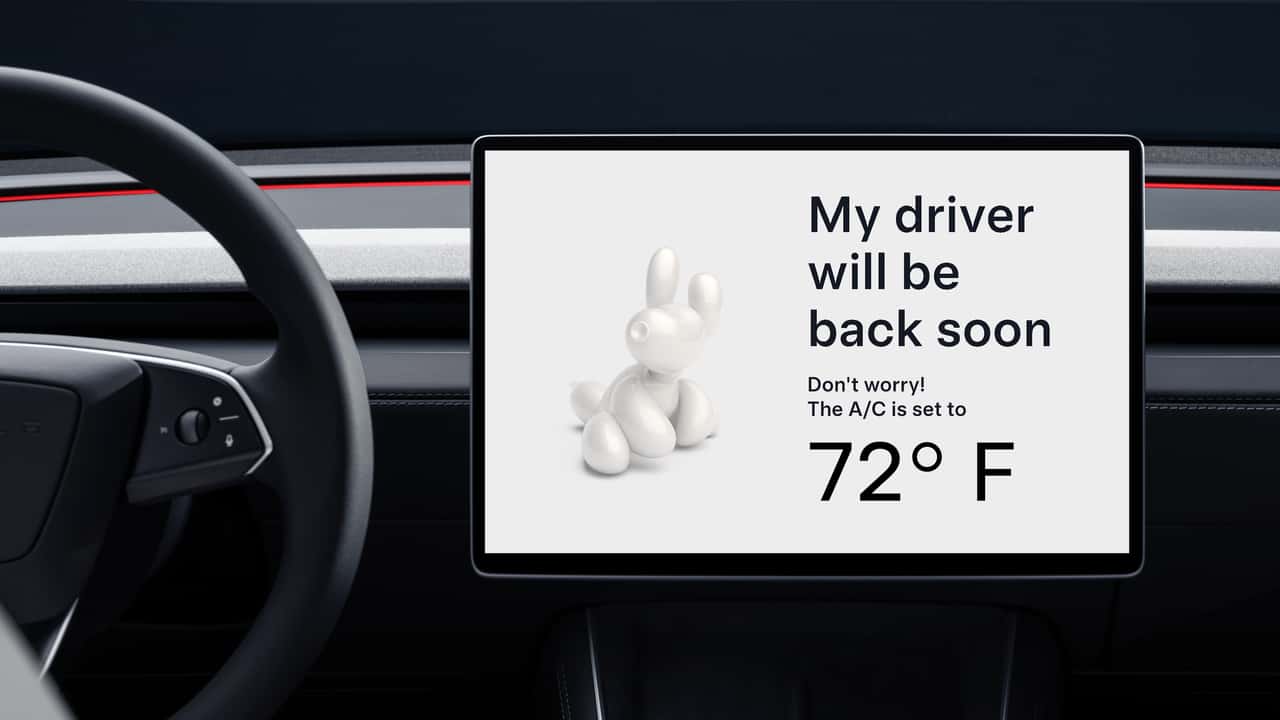
2025 Tesla Model Y Juniper (Specification for U.S.)
In 2020, Tesla introduced its proprietary insurance program, with premiums tailored according to how drivers operate their vehicles. A Safety Score is assigned to each driver, influenced by factors such as speeding, harsh braking, sharp turns, following too closely, and nighttime travel among others. If one wishes to avoid exorbitant costs, high-risk activities like late-night weekend cruising may become less appealing. Optimistically speaking, safer driving habits could lead to reduced insurance fees. Conversely, some might see this as another instance of technological giants exerting excessive control.
Control can lead to an outstanding user experience, which was a key principle behind Steve Jobs' approach at Apple. One reason their products are so refined is due to Apple’s tight grip over both the software and hardware. While servicing these devices independently isn’t straightforward and they often come with higher price tags compared to alternatives, they provide smooth interactions and effortless integration within an appealing aluminum casing combining both hardware and software elements.
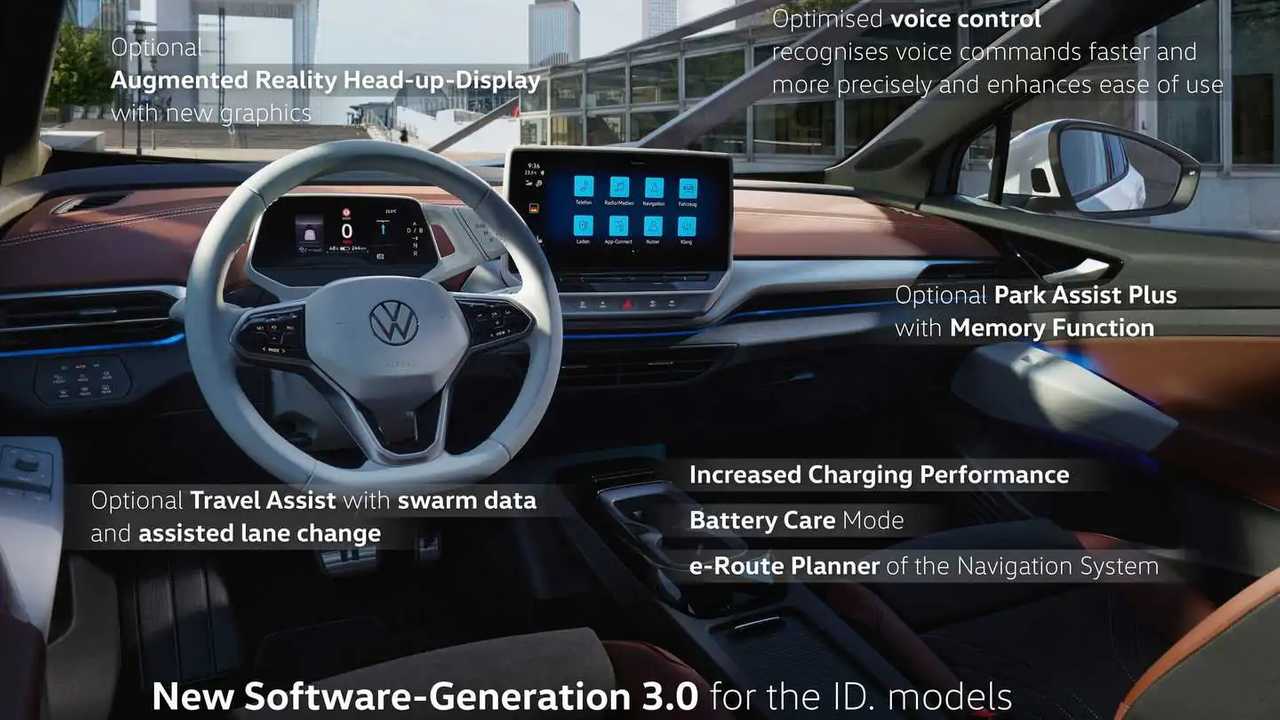
Volkswagen ID Software 3.0
The drawbacks of this approach are evident when we consider automobiles too. With vehicles increasingly integrating sophisticated software, turning them into what some call "smartphones on wheels," they might become more challenging to maintain independently—either through professional mechanics or DIY efforts in one’s personal workshop. Additionally, long-term software maintenance has turned into an uncertain area; take, for instance, the struggles faced by Fisker vehicle owners following the brand's bankruptcy, where securing necessary updates became a contentious issue.
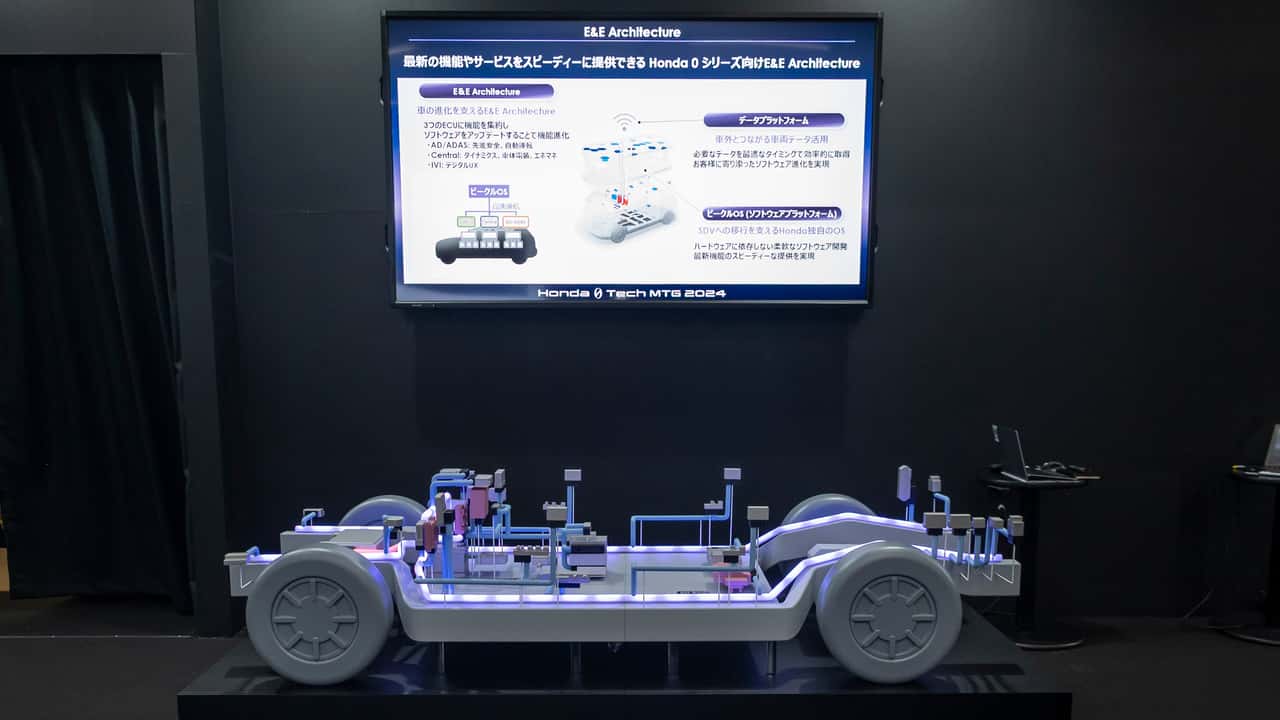
Honda Series 0 Prototype
Consider an outdated online video game or perhaps an old smartphone that no longer receives updates from its maker. Now imagine this scenario affecting your car. Unlike games or phones, vehicles play a crucial role in daily life, such as getting you to work or dropping off children at school on time. In light of this, we might eventually require mechanisms ensuring that car owners continue receiving support over the long term after purchasing their vehicles.
What’s Next
The car is transforming into a technological device.
However, unlike past advancements in the auto industry, this transformation isn't spearheaded by traditional manufacturers. Instead, it's propelled by these up-and-coming challengers. "Only a handful of businesses can manage that kind of {software}," Surya explained to InsideEVs. "We're fortunate enough to be capable of implementing such changes and making them significant for our clients." Certainly, relying solely on software wouldn't secure their position amidst the uncertainties of launching new automobile enterprises, yet it certainly gives them a competitive advantage.
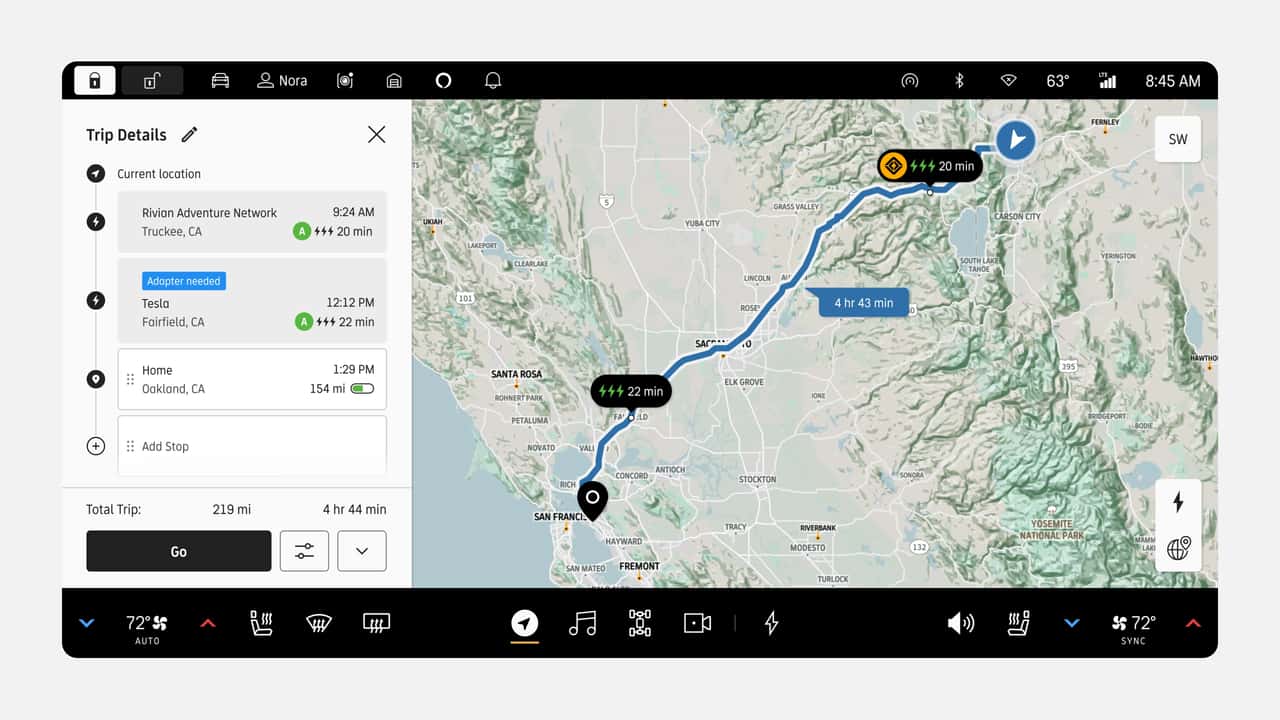
Rivian's updated charging dependability software
At the same time, traditional automotive companies are grappling with a significant challenge. The collaboration between Volkswagen and Rivian sent a strong message to other industry players: evolve or risk obsolescence. Producing vehicles effectively remains only part of what defines today’s auto manufacturers. Software now represents the second critical component. Crafting a high-quality automobile has become more complex than ever before.
Despite facing constant criticism for not offering Apple CarPlay, General Motors' systems based on Android Automotive demonstrate significant promise, particularly with regard to over-the-air updates. Additionally, companies such as Volvo and Polestar, which are part of the Geely Group, are also making substantial technological advancements independently. Toyota has likewise signaled its intention to significantly enhance its focus on software development in the near future. Therefore, Rivian and Tesla will not remain alone in this domain indefinitely.
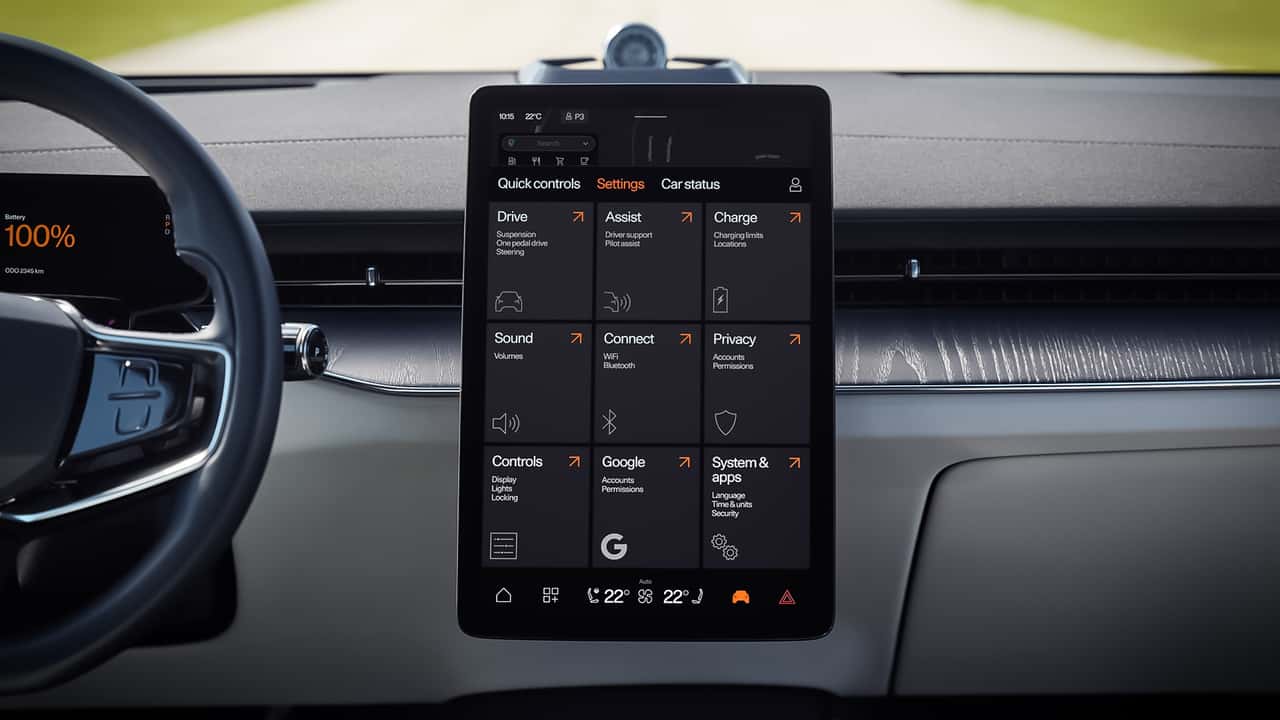
Polestar 3 Performance (2024) Under Review
At present, they're capitalizing on their early mover strategy. "Being a startup allows us to adopt a different mindset compared to conventional Original Equipment Manufacturers (OEMs), since we aren’t weighed down by past decisions," explained Surya. "This provides us greater liberty when it comes to incorporating new features and making enhancements based on customer input."
The next challenge will be whether they can convince all their customers to go along with this change.
Andrew Lambrecht is a contributor at InsideEVs as well as an industrial engineering major at Clemson University. Besides this, InsideEVs , Andrew writes at Forbes Wheels and Business Insider , focusing on the transportation industry. Listen to his podcast, The Current Review .
More Tech News
- Chevrolet Equinox EV 20,000-Mile Test: Excellent for Families, Troubled Software
- Hyundai Fully Invests in Linked Vehicles with New 'Pleos' Software
- China's 'Intelligent Vehicle' Technology Might Reach the U.S. via Volkswagen
- Rivian Has Introduced Hands-Free Driving and 'Rally Mode' Through a Recent Software Update
- The Volvo ES90 Offers a Glimpse Into Volvo’s Software-Centric Tomorrow
- BMW's Astonishing 13,000 LB-FT Concept Demonstrates That The Electric Vehicle Future Will Be Extraordinary
- Honda Asimo OS: The Legendary Robot Returns to Drive Innovation in Electric Vehicles
- Volvo Understands That Customers Dislike Subscription Services

Comments
Post a Comment