Whoop Irks Users by Backtracking on Free Upgrade Offer
editors select and review products independently . If you buy through affiliate links, we may earn commissions, which help support our testing .
Consumers are lashing out at fitness technology company Whoop, after it allegedly backtracked on some of its earlier promises to users.
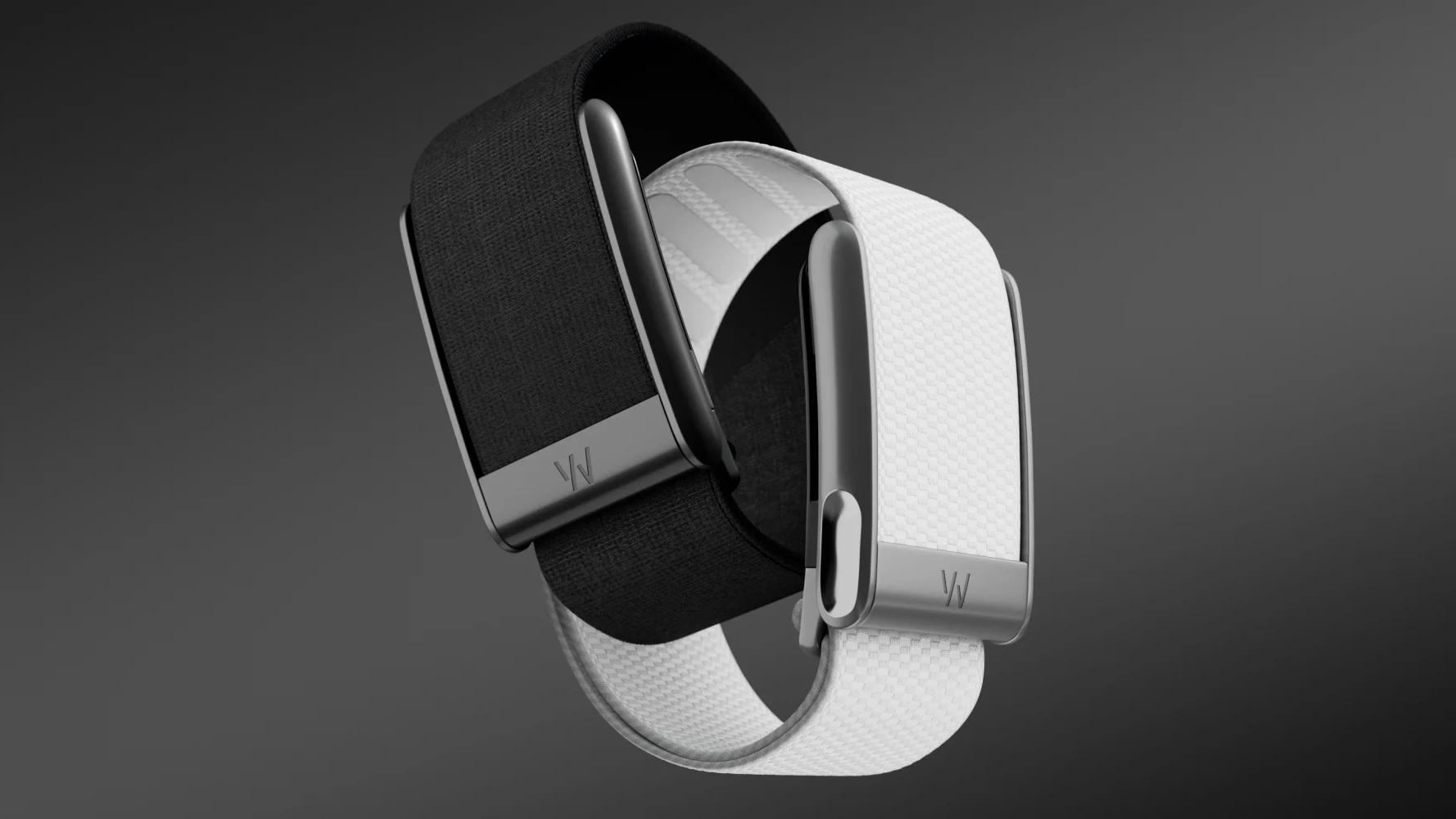
Whoop, which makes screenless wearable fitness trackers, had marketed itself with a fairly unique subscription model. Users would supposedly pay a monthly fee—costing from $199 to $359 a year—and receive free hardware updates when new models get released.
However, Whoop is now requesting that users pay a $49 to $79 upgrade fee, or extend their subscription by twelve months, if they want access to the newly updated line of wearables, according to the company's FAQ page.
This seems to contradict a now-deleted blog post on the company website, which explicitly said that “WHOOP members receive the next-generation device for free after having been a member for six months or more.” The page , first spotted by Bloomberg , was taken down in late March.
The Whoop 5.0 and Whoop MG, which rolled out earlier this week , introduce features like hormone tracking for women and a fresh set of features to detect irregular heart activity, as well as revamped sleep tracking functionality.
Users have been quick to take to social media to express their displeasure. One user on Reddit dubbed the move “a slap in the face.”
“What is the point of this subscription-based model if you don't get to reap the benefits of the new devices?” they asked.
Another user on X, who said he has been a subscriber for four years, said the latest development “feels like extortion.”
Meanwhile, other users on social media are calling on Whoop’s customers to report the incident to the Federal Trade Commission (FTC) or the equivalent bodies in other countries.
Whoop addressed the issue in a statement to Bloomberg , one of the first outlets to pick up the news, saying that “like any company, we from time to time update our commercial policies.”
The company hasn't announced any measures to help placate its many scorned users, but we've seen plenty of examples of grassroots initiatives from angry tech buyers succeed. Music streaming giant Spotify received a hefty dose of backlash in late 2024 after suddenly axing "Car Thing," a clip-on accessory that offered users a seamless music-listening experience regardless of the vehicle's year or model, just two years after launch. Users were eventually able to obtain refunds.


Comments
Post a Comment