10 upgrades for iPhones and Apple devices in 2025, from AI to Liquid Glass OS design
At its annual developer conference, Apple gave another preview of software innovations coming to the iPhone, Mac and other devices.
These include many artificial intelligence (AI) features, but the first change you are likely to notice is the new design in the operating systems. Since the launch of the iPhone in 2007, there have essentially only been two design directions for the software.
Initially, Apple sought to mimic real-world objects, such as wooden bookshelves for the Books app, to help users understand the concept of multitouch screens. With iOS 7 in 2013, a starkly minimalist alternative was introduced, featuring icons made of just a few lines.
Do you have questions about the biggest topics and trends from around the world? Get the answers with SCMP Knowledge , our new platform of curated content with explainers, FAQs, analyses and infographics brought to you by our award-winning team.
This minimalism has been mixed with more colour in recent years, but the 2D principle remains. Now, a new design language called Liquid Glass is being introduced.
Transparent elements, which appear to float above other content, are intended to evoke the look of flowing glass.
For the first time, Apple is introducing a unified design language across its entire product range, including the Apple Watch and the Apple TV streaming box.
All operating systems will now also feature a year in their name instead of their own version numbers. For example, instead of iOS 19 following iOS 18, the next version will be called iOS 26 or iPadOS 26, with the "26" referring to the coming year.
The camera app, one of the most frequently used iPhone apps, has also been simplified at first glance, when you only see the shutter button and another option to switch between photo and video.
Additional settings and functions are now hidden behind small icons or appear only when swiping across the display.
At the same time, some settings can now be accessed more quickly than before. The Photos app is also being revamped, and a toggle will allow users to quickly switch between the library and various collections.
The iPhone is gaining two useful features previously known from Google's Android system. For unknown phone numbers, users can have the software ask what the call is about and decide whether to answer based on the transcribed response.
Additionally, when put on hold, the phone can monitor when a human picks up and connect the call.
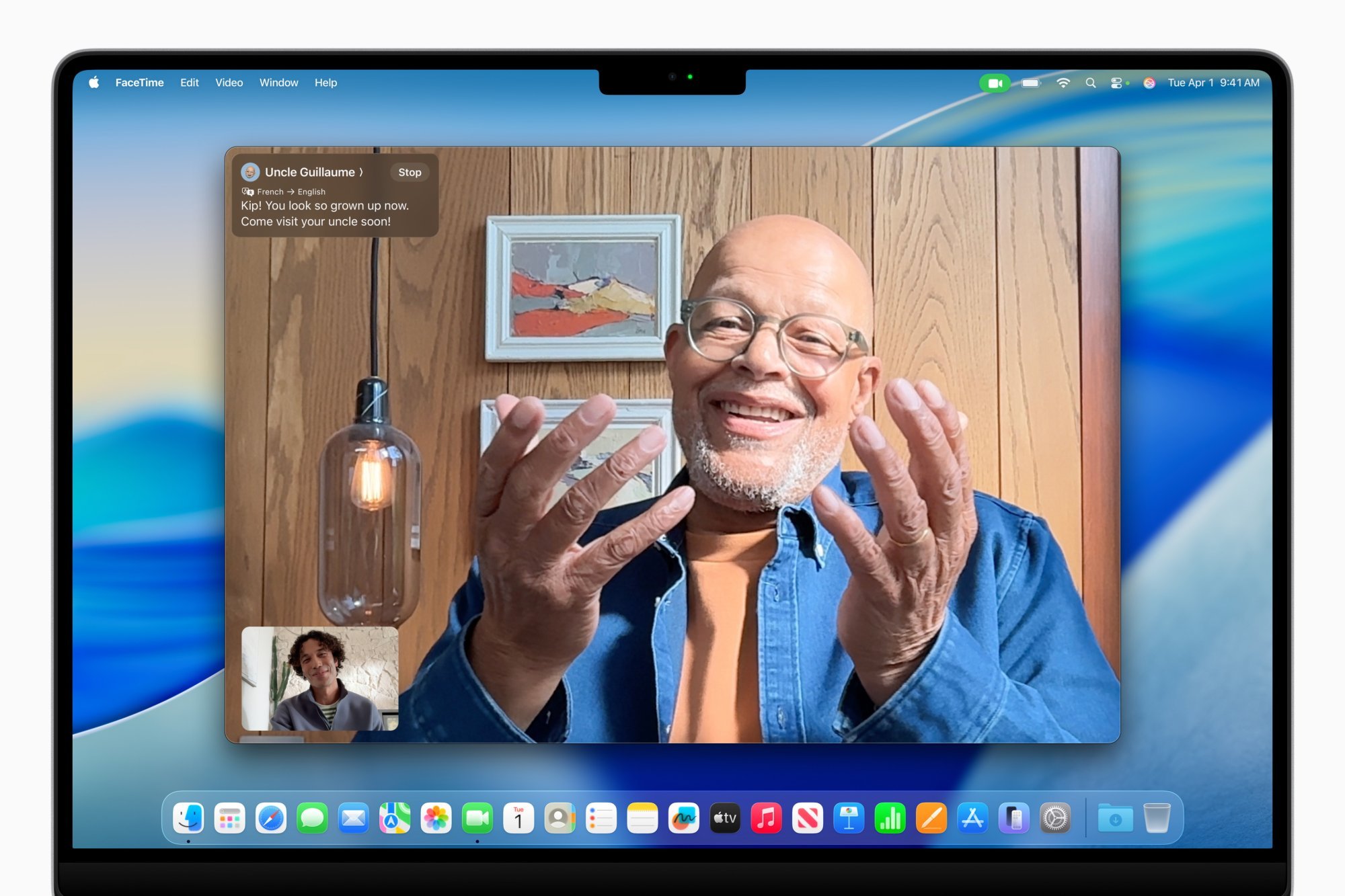
Apple is also significantly expanding its live translation features. During video calls, translations will appear as subtitles, naturally in a Liquid Glass overlay.
For voice calls, the software will act as an interpreter. In the Music app, song lyrics can also be translated.
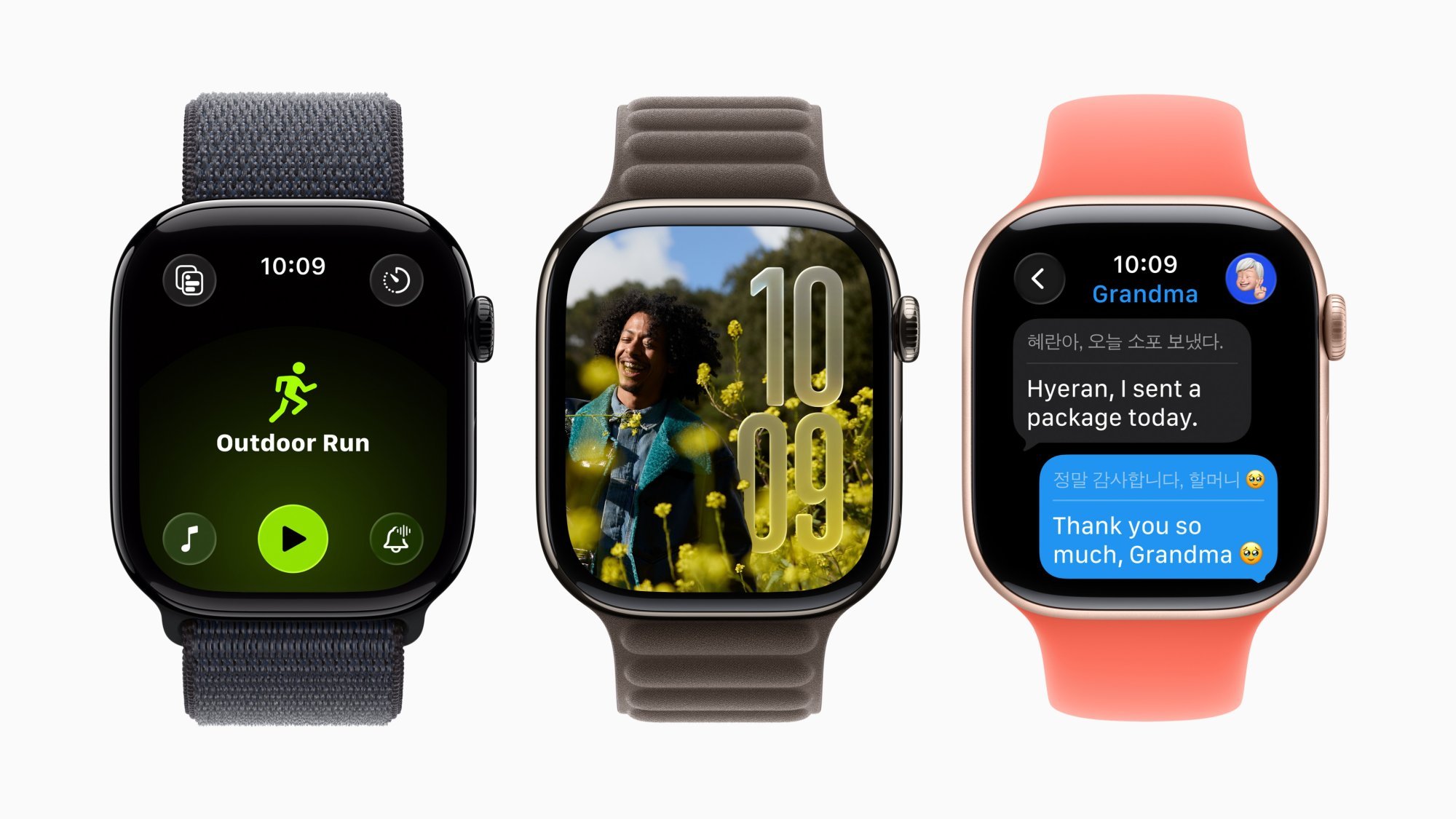
Notifications displayed on the Apple Watch currently remain on the screen for several seconds unless you dismiss them or interact with them in some other way. In future, you'll be able to shake them away without tapping, using a quick wrist flick away from you. This gesture can also be used to reject incoming calls.
Apple's Maps app will soon be able to remember restaurants or shops users have visited, making it easier to find them again. The iPhone will also remember preferred routes to frequently visited locations and suggest them.
The information is protected with end-to-end encryption, ensuring that even Apple cannot access it, the company emphasised.
Many iPad users have long complained about how hard it is to work with multiple apps, while on Mac computers, arranging windows side by side is simple. Apple is now promising improvements and is even bringing the trademark traffic light buttons to iPad.
Users now get enhanced options for switching between program windows and, for the first time, a menu bar. This makes the iPad suitable for more use cases that previously required a Mac computer.
Apple is turning its Apple TV streaming box into a kind of karaoke machine. In conjunction with Apple's Music app on the box, the iPhone will act as your microphone, with the voice being transmitted through the TV. Others can also join in with their iPhones.
In recent years, Apple has transitioned its Macs to chips developed in-house. The new macOS 26 Tahoe will be the last version to run on Mac computers with previously used Intel processors. However, they will continue to receive security updates for three more years.
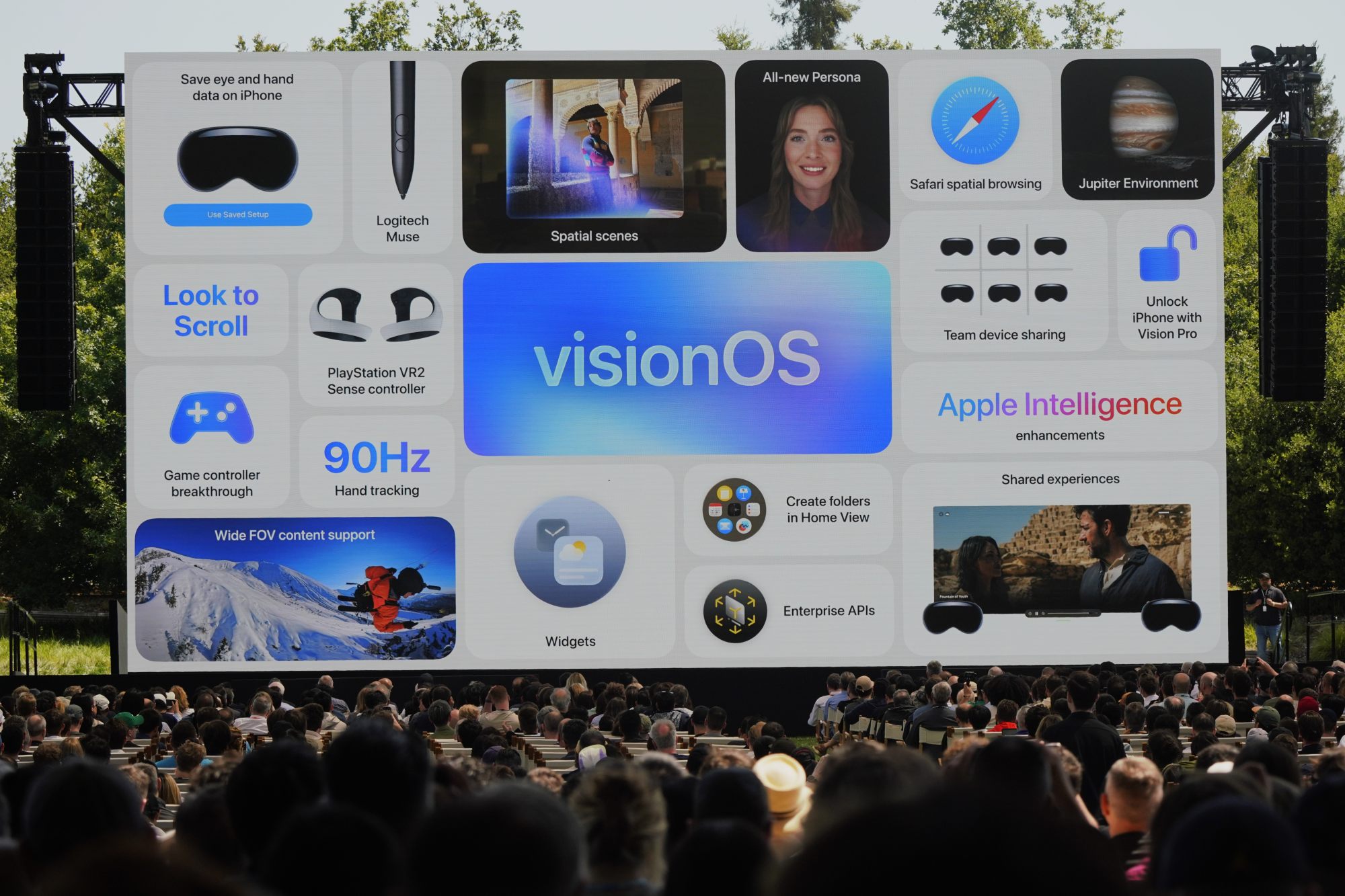
Among the innovations for Apple's Vision Pro headset is the ability to place widgets, such as a clock, photo frame, calendar or music controls, in fixed locations. When the headset is worn in the same room, the digital objects will reappear in the same spots.
Apple is also making the Vision Pro more suitable for business use. It will be easier to share the headset among different employees. Additionally, multiple users can collaborate on a virtual object, such as when designing a car or a piece of furniture.
The 3D avatar Persona, which represents users in others' fields of view, is being significantly improved. The Vision Pro will also support external controllers, such as those for Sony's VR headset, which is expected to enhance the experience of immersive gaming.
As always, there are various minor improvements that did not make it into the 90-minute keynote at the developer conference. For instance, the camera will notify users when the lens needs cleaning.
The alarm clock will allow users to adjust the snooze duration, which has so far been fixed at nine minutes. Additionally, Apple's password app will now display previous passwords.
More Articles from SCMP
End to inter-Korea ‘loudspeaker war’?
Philippines’ rice industry in danger of being ‘drowned out by cheap imports’: report
Chris So has Group One hopes for Hong Lok Golf after exciting Happy Valley win
Ant International and Ant Digital to seek stablecoin licences in Hong Kong
This article originally appeared on the South China Morning Post (www.scmp.com), the leading news media reporting on China and Asia.
Copyright (c) 2025. South China Morning Post Publishers Ltd. All rights reserved.

Comments
Post a Comment